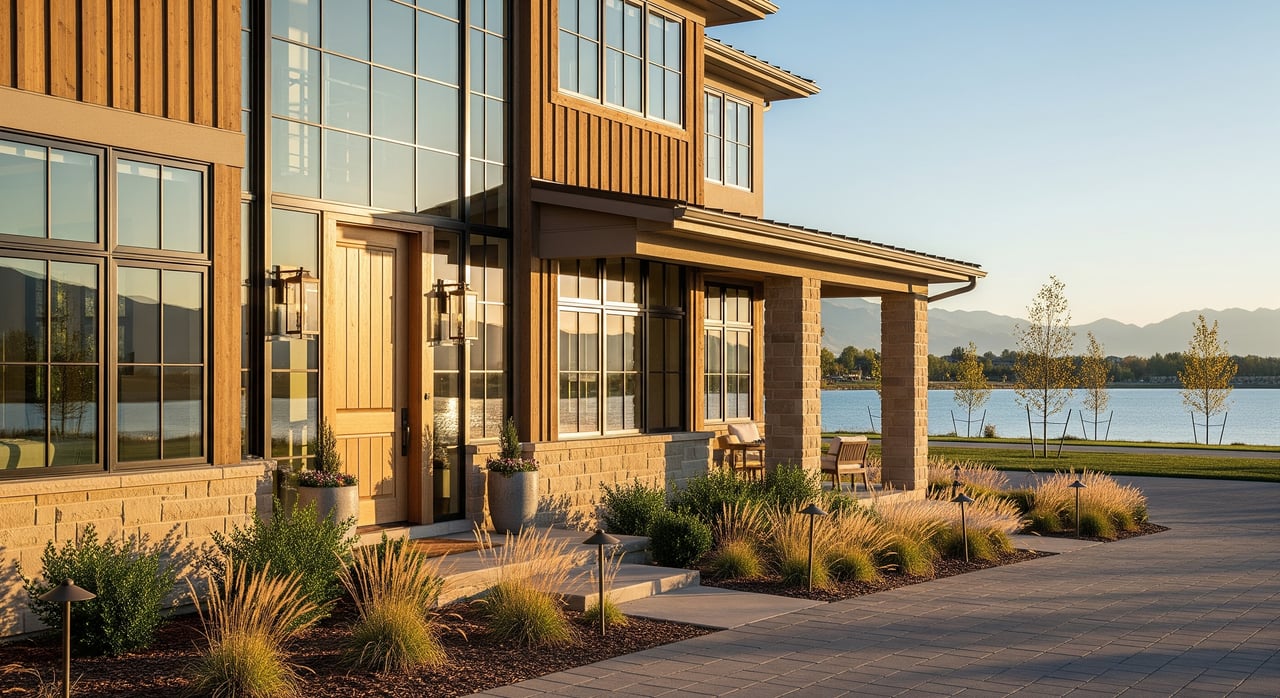
Thinking about selling your Daybreak home in the next few months? Getting your price right is the single most important decision you will make. Daybreak is not a one-size-fits-all market. Village differences, lake proximity, lot orientation, HOA costs, and even new-build incentives can shift value. In this guide, you’ll learn how to price with Daybreak-specific clarity, what comps actually matter, and how to prepare for a confident launch. Let’s dive in.
What drives price in Daybreak
Daybreak is a master-planned community with multiple villages and housing types. Each village has its own product mix, age range, and amenity access. Buyers often compare within the same village first, so your village context is a major pricing lever.
Oquirrh Lake and related water amenities create clear premiums. Lakefront and lake-view homes often command higher prices, and even a short walk to beaches or lakefront parks can matter. Walkability to retail, restaurants, schools, parks, and the Daybreak Town Center also tends to lift appeal and price per square foot.
Transit access adds another layer. The UTA TRAX Red Line at Daybreak Parkway attracts commuters who want convenient rail access. New development and active builder inventory can change the playing field too, since spec homes compete directly with resales, sometimes with incentives that sway buyers.
Seasonality still matters. Salt Lake County typically sees stronger listing and sales activity in spring and summer. Broader factors like mortgage rates, available inventory, and local employment trends influence how aggressive you should be with pricing over a 3 to 6 month horizon.
Price factors to quantify
Village differences
Prioritize comps from your village or an immediately adjacent village with similar homes and finishes. Adjust for age, condition, and amenity access when you cross village lines. Buyers compare hyper-locally, so your CMA should reflect that.
Lake proximity and premiums
Treat lake proximity as a category in your analysis: lakefront, lake-view, short walk to the lake, or farther away. Premiums vary by product type. For single-family lakefront homes, the premium can be substantial. For smaller townhomes, it is measurable but typically smaller. Use recent Daybreak solds to calculate differences rather than applying a generic percentage.
Lot orientation and micro-location
South-facing backyards, unobstructed mountain or water views, or a lot that backs to a park or trail can increase buyer preference. Larger or deeper lots, and corner lots, often warrant an upward adjustment. Homes on busy collector streets or next to non-residential uses usually require a downward adjustment.
Condition, updates, and floor plan
Kitchen and bath updates, roof and HVAC age, and an open plan can all influence price. Finished basements add value, but above-grade and below-grade square footage are not valued equally. If there is functional obsolescence, like a very small garage or limited outdoor living, account for it in the pricing.
HOA dues and restrictions
Daybreak typically has a master association and may also have a village or condo HOA. Monthly dues and any special assessments reduce a buyer’s willingness to pay a top price. Make dues and restrictions clear in your CMA so buyers can calculate carrying costs accurately.
Parking and garage setup
Garage count matters, especially for family buyers. A 2-car or larger garage is often preferred. Detached configurations or a lack of garage should be reflected in the pricing adjustments.
How to choose the right comps
Time window
In a hot market, aim for solds from the past 60 to 90 days. In a cooler market, extend to 6 to 12 months. If prices have been moving, weight the most recent sales more heavily. Include active and pending listings to understand current competition and price tension.
Selecting comps
Start with the same village and product type. Keep square footage within about 10 to 15 percent, match lot size and garage count, and align bed, bath, and basement finish. As a secondary filter, align lake proximity, orientation, views, and HOA fee structure. When exact matches are scarce, document the differences and quantify your adjustments.
Using price per square foot
Use price per square foot with caution. Daybreak’s product mix, lot premiums, and amenities can make per-square-foot comparisons misleading. Always adjust for lot size, view, updates, and finished basement area. Above-grade and basement space often carry different values.
Accounting for new construction
Builder spec homes often list at or above existing home prices and may include incentives. Treat them as ceiling comps and note concessions like interest rate buydowns or closing cost assistance. Adjust your analysis to reflect the dollar value of incentives and the tradeoff between immediate move-in and new-build timelines.
Presenting a price range
A strong CMA shows a probable sale price range instead of one number. Explain your low, mid, and high scenarios, plus expected days on market and likely buyer types, such as local Daybreak buyers or out-of-area commuters. This creates clarity and sets expectations.
New-build competition check
Why builders matter
In Daybreak, builders with move-in-ready spec homes are a direct substitute for your property. When they offer incentives or upgrades, buyers compare those packages against your list price and net value.
How to gather builder intel
Review builder websites and model listings for pricing, included features, lot premiums, and stated incentives. Search current MLS data for new construction listings in Daybreak and note days on market for spec homes. Document incentives and convert them to price-equivalent adjustments when analyzing comps.
Pricing implications
If builders have multiple spec homes in your price band, you may need a more competitive list price or targeted concessions to sell within 3 to 6 months. If builder inventory is limited and build timelines are long, resale homes can gain leverage, especially with immediate possession.
Your 3–6 month listing plan
Order a village-specific CMA
About 6 to 8 weeks before you plan to list, order a CMA tailored to your village and product type. This timing captures near-term market data and reveals up-to-date builder competition and incentives.
Complete high-impact prep
Focus on cost-effective updates with clear payoffs: fresh neutral paint, decluttering, minor kitchen or bath refreshes, and curb appeal. Consider a pre-inspection to identify repair items that could derail offers or affect appraisal value.
Set pricing tactics
You can price slightly below similar recent sales to spark early interest, price at market to attract qualified buyers, or price above market with the understanding that days on market may increase. Align your strategy with current inventory, new-build competition, and your timing needs.
Nail showing readiness
Daybreak buyers often tour multiple homes quickly and compare details side by side. Use professional photography, share floor plans and measured square footage, and make HOA details easy to understand. For lakefront or premium properties, highlight walk times to the lake, parks, and trails.
What to bring to a pricing consult
- Property address and legal description from your closing documents
- List of improvements with approximate dates
- Recent utility bills
- HOA dues, governing documents, and any known assessments
- Floor plan or measured square footage, plus garage or carport count
- Any known easements or lot encumbrances
- Interior and exterior photos if available
What a strong consult delivers
- A village-specific CMA with 6 to 12 sold comps, plus active and pending listings, and a new-construction inventory snapshot
- An adjusted price range with documented line-item adjustments
- A list of pre-listing improvements and the expected impact on price or days on market
- Recommended timing based on seasonality and current supply
- A negotiation strategy and net proceeds estimates at different list prices
How to interpret the consult
Ask to see the raw comps and the rationale for every adjustment. Review photos and parcel maps to understand micro-location differences. Clarify how lake proximity and incentives from builders were translated into price adjustments.
When to recalibrate
If your listing has been on the market for about 30 days without strong interest, request a quick update to the CMA. Revisit pricing, condition, and competition to adjust your strategy.
Quick pricing checklist
- Confirm master and village HOA dues and any assessments
- Categorize lake proximity and walk times to parks and Town Center
- Note lot orientation, views, and adjacency to busy streets or non-residential uses
- Verify finished square footage and basement details
- Align comps by village, product type, and garage count
- Document builder spec inventory, incentives, and timelines
- Present a price range with days on market expectations
Ready to price your Daybreak home?
If you want a village-specific CMA and a clear plan to hit the market with confidence, reach out to James Roth. You’ll get transparent adjustments, new-build intel, and a practical roadmap to list at the right number.
FAQs
How much more is lakefront worth in Daybreak?
- It depends on product type and village, so compare recent Daybreak sales of similar size and age, then quantify the observed premium rather than using a fixed percentage.
How do HOA dues affect price in Daybreak?
- Higher dues reduce the buyer pool and can limit top-end pricing, so disclose dues and any assessments in your CMA to make carrying costs clear.
Should I try to beat builders on price?
- Evaluate spec homes and their incentives; if several compete in your price band, consider a sharper list price or targeted concessions to meet a 3 to 6 month goal.
When is the best time to list in Daybreak?
- Spring and summer are typically more active in Salt Lake County; order a CMA 6 to 8 weeks before your target date and adjust for current rates and inventory.
How should I use price per square foot in Daybreak?
- Use it carefully and only after adjusting for lot size, views, lake proximity, condition, and basement finish, since these factors can skew per-square-foot comparisons.