Thinking about selling your Daybreak home and wondering how to squeeze every dollar out of the sale? You’re not alone. In a neighborhood where homes vary by village, lot, and lifestyle, top dollar comes from smart prep, precise pricing, and standout presentation. In this guide, you’ll get a clear plan built for Daybreak: what buyers value, when to start, which updates matter, and how to market your home so it rises to the top. Let’s dive in.
What drives value in Daybreak
Daybreak’s master‑planned design is a huge part of why buyers shop here. The community’s 40+ parks and 50+ miles of trails, plus Oquirrh Lake, create a lifestyle that shows up in buyer priorities and prices. You want to spotlight those advantages from the first photo to the final walk‑through. Explore the amenity map for inspiration and talking points using the official overview of parks, trails, and outdoor spaces.
Connectivity also matters. Buyers who commute or value car‑light living often look for listings near TRAX Red Line stations. Access points at Daybreak Parkway and South Jordan Parkway are part of the story your listing should tell. You can reference exact station names and locations from UTA’s station list for Red Line stops serving Daybreak.
Commercial growth adds momentum, too. Downtown Daybreak is building out as a sports and entertainment hub anchored by the Ballpark at America First Square. Proximity to future events and dining helps nearby listings capture more attention.
Finally, Daybreak includes several public and charter schools within the community. Buyers often note the convenience of having schools nearby. You can reference the official Daybreak schools page for accurate school names and locations in your village.
Know your numbers
Recent neighborhood snapshots show a median home price around the mid‑$500Ks and median days on market around 70–76 days. That points to a market where presentation and pricing really matter. Price too high and you risk sitting. Price with precision and you attract motivated buyers who value Daybreak’s lifestyle.
Because values vary widely by village, think in terms of local bands, not citywide averages. A staged home by Oquirrh Lake or near SoDa Row can draw different attention than a similar home deeper in a village. Your goal is to fit cleanly into the search boxes buyers are using for your product type and location.
Price by village, not city
Use a Daybreak‑specific comparative market analysis and sort by village or even street cluster. Here’s how to approach it:
- Start hyperlocal. Prioritize solds within your village in the last 3–6 months. If inventory is thin, extend to 9–12 months or the nearest comparable village.
- Adjust carefully. Account for bedroom and bathroom counts, finished basement, lot orientation or views, garage space, renovation level, and any seller concessions recorded in solds.
- Think in price bands. Daybreak attached homes (condos and townhomes) often cluster from the low‑$300Ks to mid‑$400Ks, with some higher near transit or SoDa Row. Many single‑family homes cluster from about $500K to $800K. Premium lots, lakefront, Island, and large homes can range from $900K to $2M+.
Once you set your target band, decide on a list price that maximizes showings during week one. If comparable inventory is high, aim to sit squarely inside the most active search range for your product type. If inventory is tight, a slightly more aggressive list price can be tested. Always reconcile final strategy with the freshest village‑level solds.
Your 3–12 month plan
This timeline helps you time upgrades, book vendors, and hit the highest‑traffic spring window if that’s your goal.
9–12 months out: big decisions only
- Decide if major renovations make sense. National ROI patterns suggest modest, functional updates often recoup better than high‑end custom remodels. If you’re unsure on return, keep materials neutral and focus on function.
- Line up contractors and get quotes early if you plan any larger projects.
3–6 months out: high‑impact upgrades
- Tackle deferred maintenance. Service HVAC, clean gutters, and address roof or water heater issues. Buyers relax when they see recent maintenance.
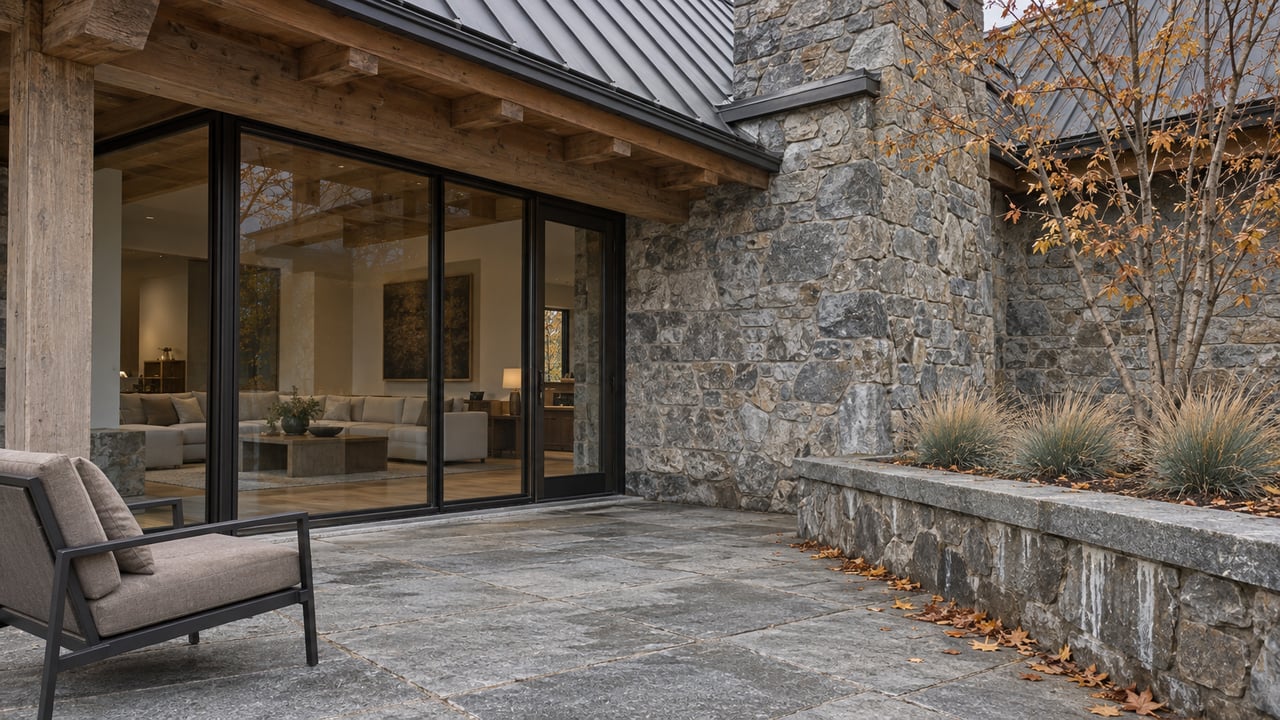
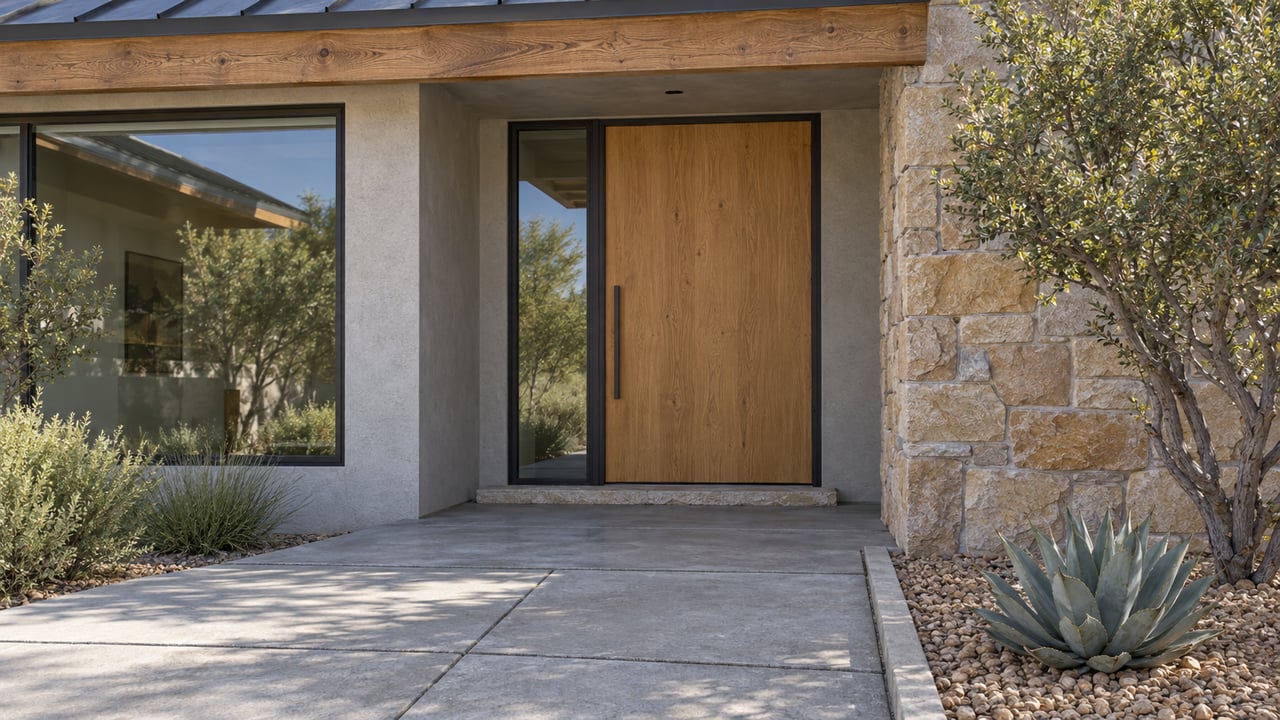
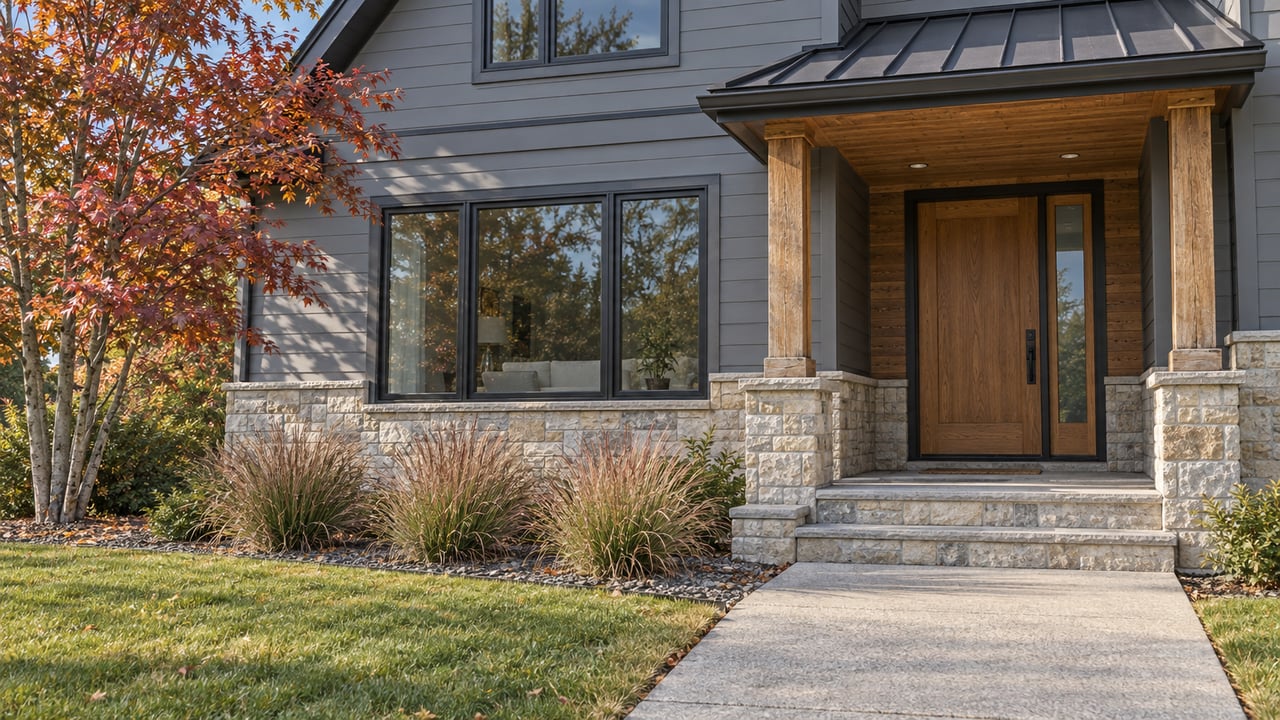
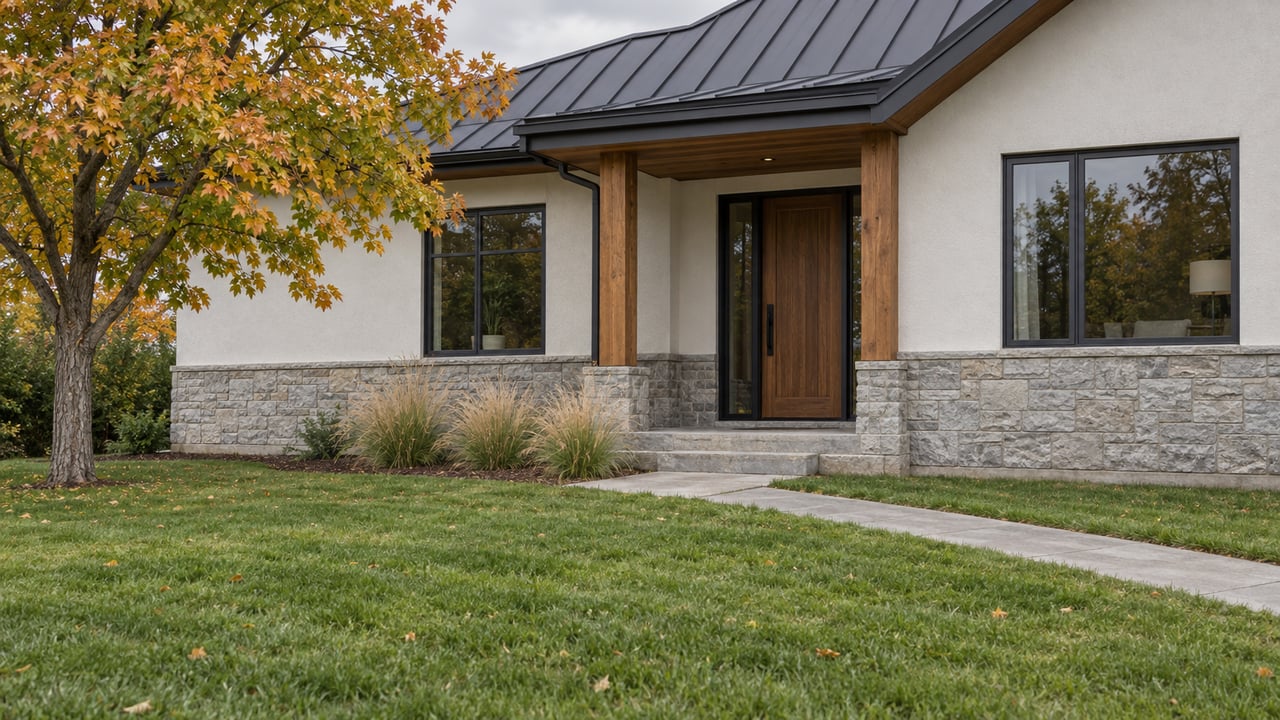
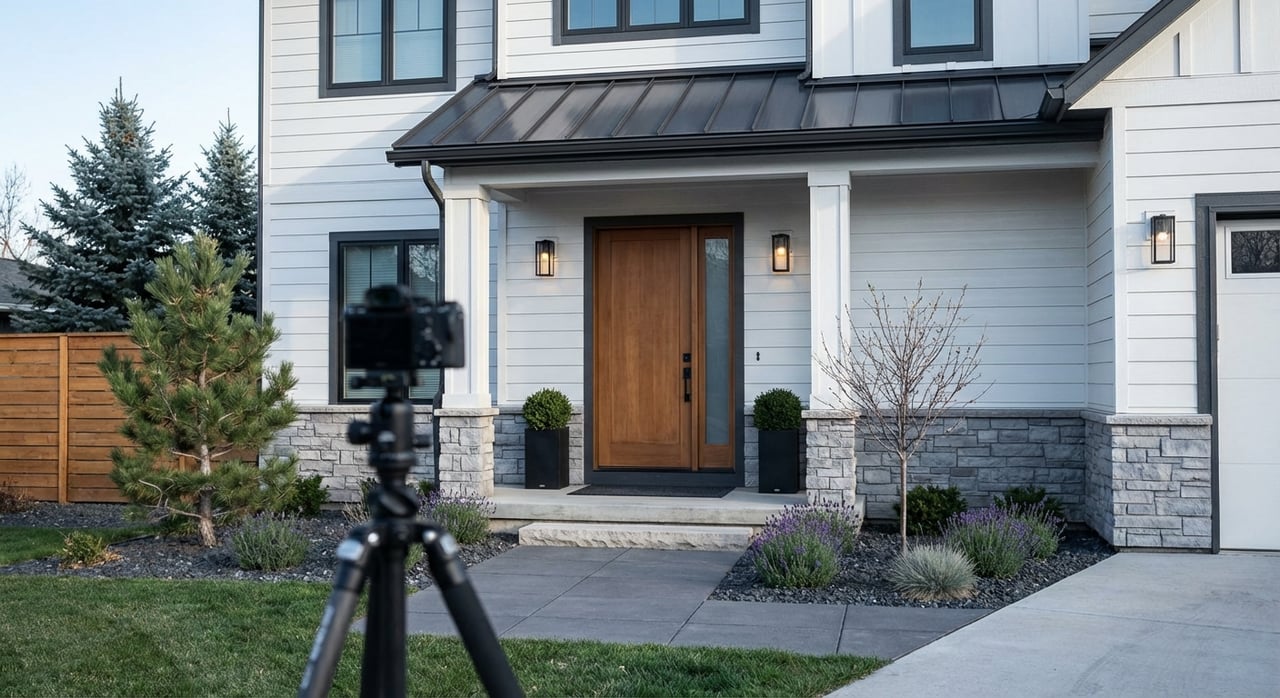
- Refresh curb appeal. Update landscaping, paint the front door, clean the driveway, and address visible exterior wear. These items photograph well and help your first impression.
- Gather community documents. Daybreak association guidelines can affect staging logistics and drone permissions. Start collecting HOA, CC&Rs, and amenity info now. Use the official amenities overview as a reference for lifestyle highlights.
6–8 weeks out: presentation and permits
- Book staging. Industry data from the Real Estate Staging Association shows staged homes tend to sell faster and for more. Review the latest RESA statistics and schedule a consultation.
- Plan media capture. Reserve a photographer and videographer. If allowed, add drone and a 3D tour. Portal operators report higher engagement for listings with 3D tours, as reflected in SEC‑filed data.
1–2 weeks out: final polish
- Deep clean, complete minor repairs, and do light staging touches.
- Run a fresh CMA with the latest village‑level solds and pendings. Confirm your price band and prepare negotiation buffers.
- Time your launch. If you are aiming for spring, early to mid‑April is often a high‑demand listing window nationally.
Listing week: go live with a full package
- Publish to the MLS with professional photos, a 60–120 second cinematic video, a 3D tour, a floor plan, and a short neighborhood lifestyle clip that shows the lake, trails, SoDa Row, TRAX, and the Ballpark context.
- Launch targeted social promotion to likely buyer pools and monitor performance daily.
Smart pre‑list improvements
Your goal is to reduce buyer friction, maximize online photo appeal, and connect the home to the Daybreak lifestyle.
- Curb appeal refresh. Landscaping, a crisp front door color, and a tuned‑up garage door tend to yield reliable returns and draw more clicks.
- Fresh paint and lighting. A neutral palette and simple fixture updates brighten rooms and read well in photos and video.
- Minor kitchen updates. Cabinet paint or refacing, updated hardware, and counters that are in good shape often outperform a full upscale gut when it comes to resale return.
- Fix the “little” things. Caulking, grout refresh, and squeaks or drips matter. Buyers notice maintenance.
What to avoid unless essential: full high‑end custom remodels right before selling. These often have lower percentage recoup than modest updates. If you are listing a top‑tier lakefront or Island home and need to meet luxury expectations, validate any major spend with a local, village‑level CMA first.
Video‑first marketing that sells
Buyers use online video and virtual tours to make shortlists. The 2024 consumer profile shows video is a common information source during the search, and immersive content on listing platforms boosts engagement. You can cite the NAR 2024 Profile of Home Buyers and Sellers and the 3D tour engagement data in SEC filings when planning your media.
Recommended asset bundle for Daybreak:
- Professional still photos. Capture exteriors at golden hour and interiors after staging.
- Cinematic property video. Keep it 60–120 seconds. Start with your best exterior or amenity moment, then a tight interior walkthrough. Subtitle for sound‑off viewing.
- Matterport or similar 3D tour. This raises time‑on‑listing and helps remote or busy buyers evaluate faster.
- Drone footage where allowed. Use it to show lake proximity, lot depth, trail adjacency, or views. Confirm community drone policies first.
- Floor plan. A clean 2D plan clarifies flow and square footage.
- Neighborhood lifestyle clip. In 45–90 seconds, show Oquirrh Lake, parks and trails, SoDa Row, the TRAX platform, and a mention of the Ballpark at America First Square to place your home in the larger Daybreak story.
Distribute across the MLS, your website, YouTube, and short‑form reels. Use targeted social geofencing to reach commuters and buyers relocating within Salt Lake County.
Measure and adapt in week one
The first 7–10 days set the tone. Track these signals and respond fast:
- Online views, video watch‑through, and 3D tour engagement
- Showing requests and open house foot traffic
- Early feedback and offers
If demand is strong, hold price and work for the best terms. If views are high but showings are light, refine your visuals or adjust price inside the most active buyer search range for your band. If both views and showings are soft, act quickly with a price or presentation change to avoid racking up days on market.
90‑day checklist
Weeks 12–8
- Get contractor bids for repairs and updates
- Book a staging consult
- Request HOA and CC&R docs, plus amenity info
- Optional pre‑listing inspection to reduce buyer objections
Weeks 7–4
- Complete landscaping and paint touchups
- Do minor kitchen or bath refreshes if needed
- Confirm drone permissions with the association
- Schedule professional photos, video, and 3D capture
Weeks 3–2
- Prepare a village‑level CMA and finalize pricing
- Build a marketing calendar to hit your target launch week
Week 1
- Finish staging and a deep clean
- Capture media assets
- Go live on the MLS and launch social campaigns
Ready to capture a premium result in Daybreak? Get a village‑specific pricing opinion and a video‑first launch plan that puts your home in front of motivated buyers. Reach out to James Roth to start your prep and timeline.
FAQs
What matters most to Daybreak buyers when they shop homes?
- Proximity to parks, trails, and Oquirrh Lake, convenient access to TRAX stations, and a listing that clearly tells the Daybreak lifestyle story with strong visuals.
How far in advance should I start preparing to sell in Daybreak?
- Start 3–6 months out for high‑impact updates and staging; if you might do larger projects, begin planning 9–12 months ahead to finish work and avoid delays.
Do I really need staging and a 3D tour to get top dollar?
- Staging and immersive media correlate with faster sales and stronger offers, and industry data from RESA and SEC‑filed 3D engagement metrics support that investment.
How should I set my list price for a Daybreak home?
- Build a hyperlocal CMA using solds from your village in the last 3–6 months, adjust for finishes and views, then choose a price band that maximizes week‑one showings.
Which pre‑list projects usually give the best return?
- Curb appeal, neutral interior paint, lighting updates, minor kitchen refreshes, and fixing maintenance items tend to deliver more consistent returns than upscale remodels.
What media should every Daybreak listing include?
- Professional photos, a 60–120 second video tour, a 3D tour, a floor plan, and a short neighborhood lifestyle clip featuring the lake, trails, TRAX, and Downtown Daybreak’s Ballpark.