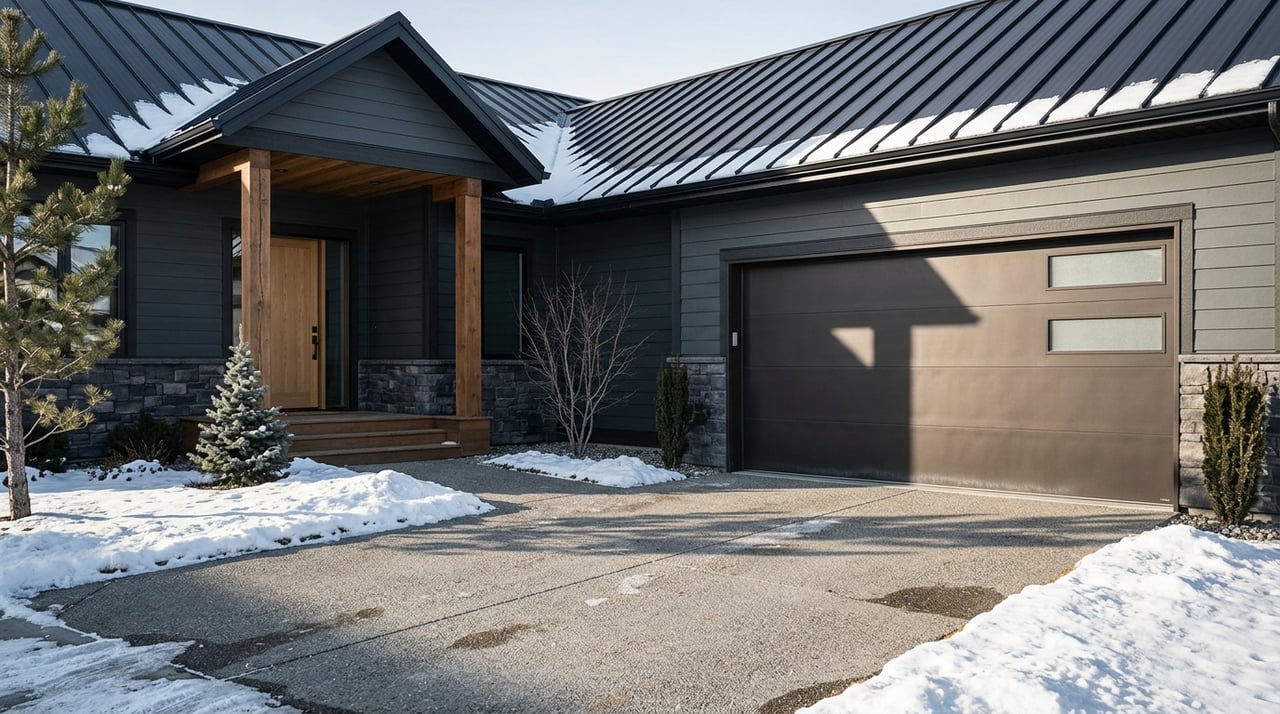
Dreaming about quick powder mornings without living full-time in a resort town? Cottonwood Heights stands out because it sits between Big and Little Cottonwood Canyons, giving you practical access to four major ski areas while still offering a suburban residential setting. If you are thinking about buying a ski gateway home here, you need more than the dream, you need the on-the-ground details that shape daily life, budget, and long-term value. Let’s dive in.
Why Cottonwood Heights attracts ski buyers
Cottonwood Heights works as a ski gateway because of its location between the two canyon systems. UDOT routes Alta and Snowbird traffic through Little Cottonwood Canyon on SR-210, while Brighton and Solitude traffic go through Big Cottonwood Canyon on SR-190. That setup makes the city a natural base for skiers and outdoor-focused buyers who want easier access to the mountains from the Salt Lake Valley.
For many buyers, the appeal is not ski-in, ski-out ownership. It is the chance to live in a built-out suburban city with relatively fast canyon access when conditions cooperate. That difference matters, because your day-to-day experience will depend on weather, traffic, parking, and how early you leave on busy winter mornings.
What kind of homes you will find
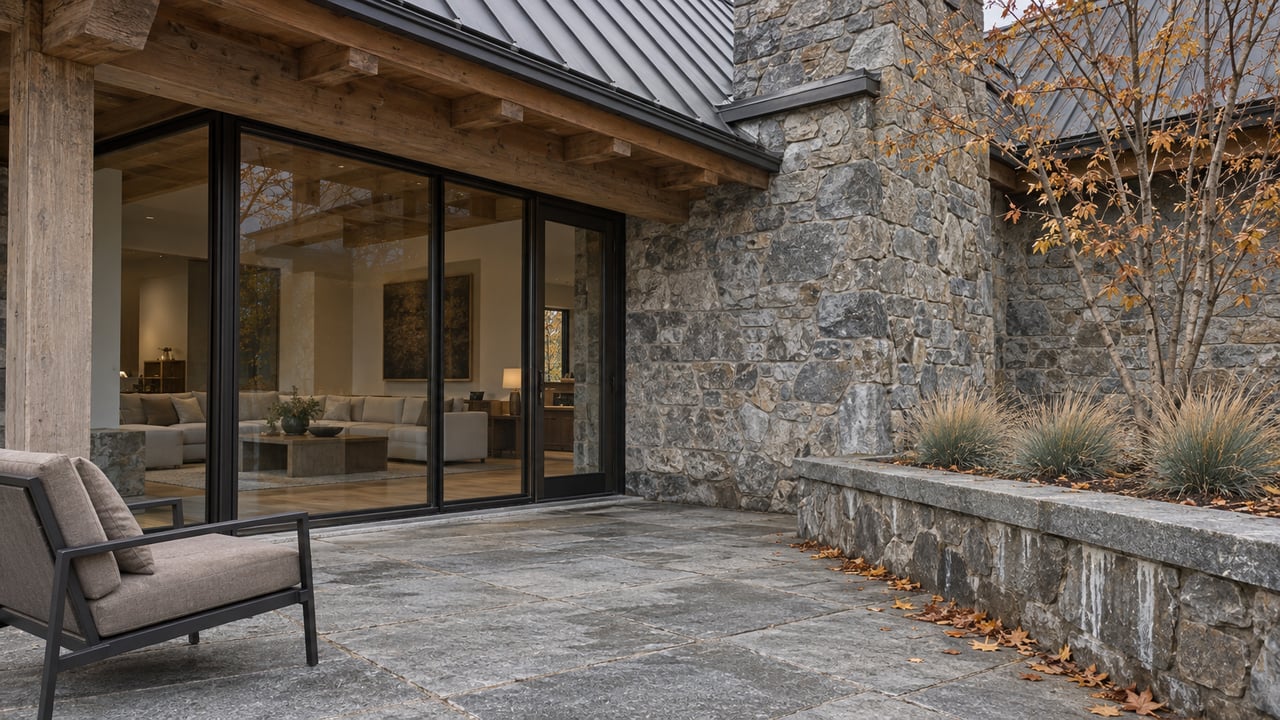
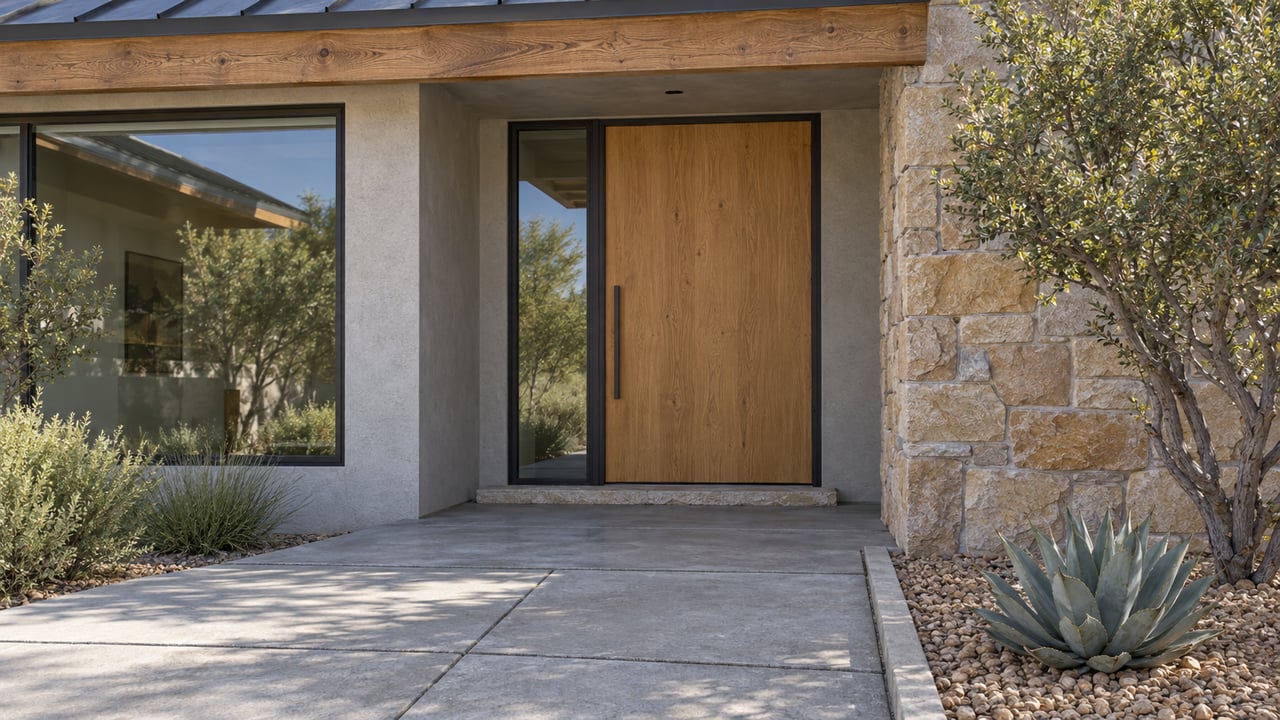
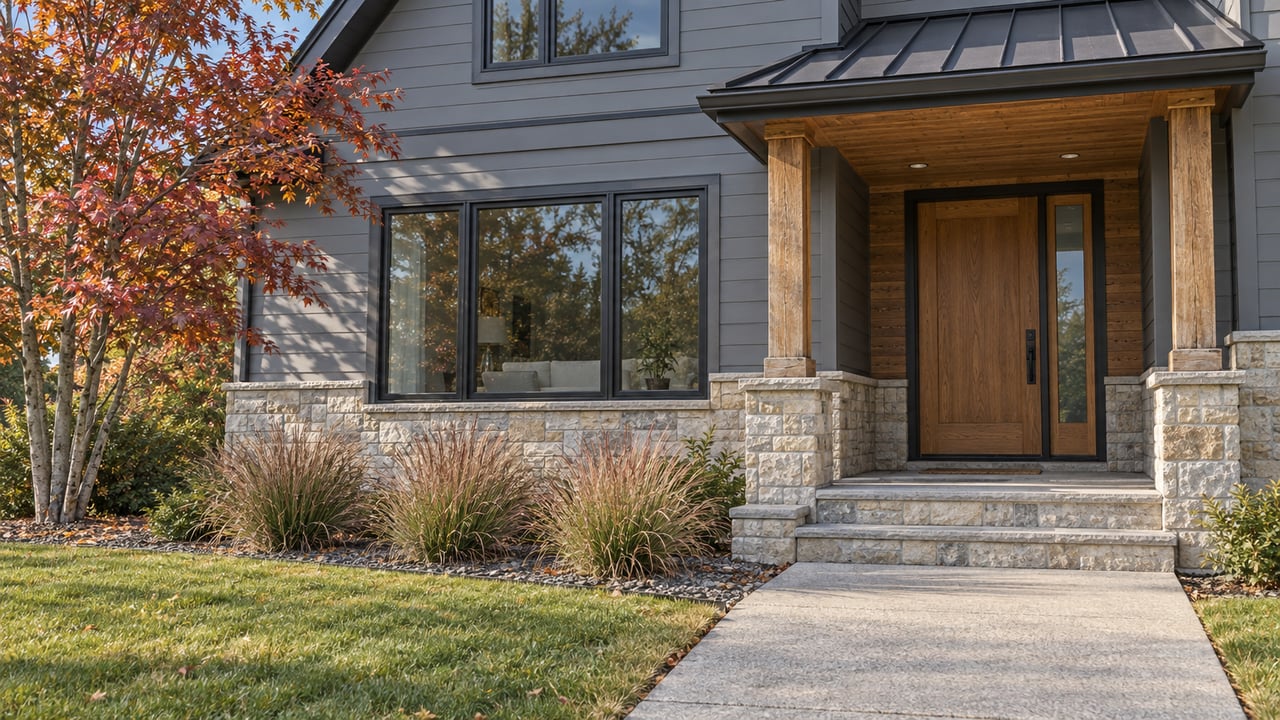
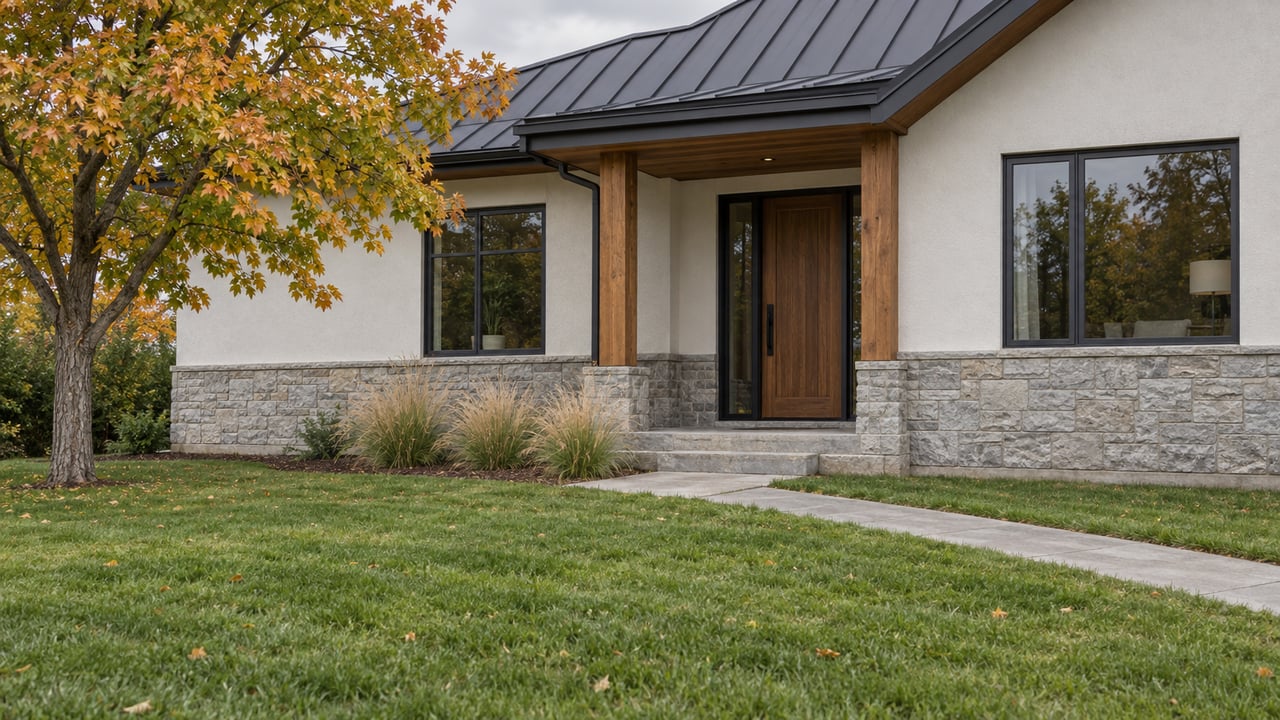
Cottonwood Heights is still mostly a detached-home market. According to city housing data, about 80% of the housing stock is single-family, while 15% is multi-family and 2% is twin homes or duplexes. If you picture a classic resort condo district, this is generally not that.
A large share of the homes were built between 1960 and 1980, and another sizable portion was built between 1980 and 2000. That means many buyers will be looking at established neighborhoods with mature lots and older home styles rather than large pockets of brand-new construction. About 71% of homes are owner-occupied, which also points to a stable residential pattern.
Cottonwood Heights price ranges
Current market snapshots place Cottonwood Heights in a broad mid-to-upper price band. Zillow’s April 30, 2026 data shows a typical home value of $786,991, with a median sale price of $822,917 for March 31, 2026. Redfin’s March 2026 snapshot shows a median sale price of $800,000.
The smartest way to read that data is as a range, not a single magic number. In practical terms, many buyers will find the city sitting in the high-$700,000s to low-$800,000s, depending on home type, condition, and exact location. Inventory also remains fairly limited, with Zillow reporting 82 homes for sale and homes going pending in about 18 days.
Canyon-adjacent areas often cost more
Not every part of Cottonwood Heights is priced the same. Redfin neighborhood snapshots for March 2026 show North Cottonwood Heights at $810,000, Butler at $824,000, Wasatch at $975,000, and Little Cottonwood Heights at $1.2 million.
That pricing pattern tells you something important. The more canyon-proximate pockets can command a premium within the city, especially for buyers who place a high value on mountain access, views, or a more elevated lifestyle feel. When you compare homes, the address inside Cottonwood Heights can matter almost as much as the home itself.
Winter access is a real ownership factor
This is where smart ski-home buying gets practical fast. UDOT says the Cottonwood Canyon roads can fully close during avalanche mitigation, and uphill restrictions may be used when traffic or parking demand reaches capacity. In other words, proximity helps, but it does not guarantee a smooth powder-day drive.
UDOT also enforces stricter traction rules in winter conditions. When the canyon beacons are flashing, drivers need at least 5/32-inch tread depth and the right tires or traction devices for their drivetrain. There are also no gas stations in either canyon, which is a small detail that becomes important on early, stormy mornings.
What to budget for winter driving
If you are buying a ski gateway home here, it helps to think beyond your mortgage payment. Your winter setup should usually include:
- Proper snow tires or approved traction devices
- A vehicle suited to winter canyon travel
- Flexibility in your departure times
- A plan for days when road closures or restrictions affect access
- Fueling up before heading toward the canyons
This is one of the biggest differences between owning near the canyons and simply browsing listings with mountain views. The lifestyle can be excellent, but the logistics matter.
Transit and shuttle options matter too
A good Cottonwood Heights ski strategy does not always mean driving yourself. UDOT recommends public transit, shuttles, or carpooling for visitors who do not have a properly equipped vehicle. The Cottonwood Canyons ski bus, canyon service, shuttle options, and nearby Park and Ride lots are all part of the access picture.
For some buyers, that can be a major advantage. If you value convenience over driving stress, being near these routes and pickup options may shape your home search just as much as square footage or finishes. It is worth thinking about how you actually plan to use the home during peak ski season.
Short-term rental rules are not automatic
If you are considering a second home and hoping to offset costs with short-term rentals, do not assume every property will qualify. Cottonwood Heights treats short-term rentals as a regulated use, with approvals primarily limited to multi-family residential areas within private condominium or homeowners’ associations. The process can include permitting, licensing, and inspection.
That means a detached home should not be treated as an automatic Airbnb-style opportunity. Before you buy, you need to verify the exact zoning, association rules if applicable, and whether the property is eligible under current city rules. This step can protect you from buying based on an income plan that may not be allowed.
ADUs may offer a different kind of flexibility
The city also allows accessory dwelling units, but the rules depend on the type. Internal ADUs are permitted with licensing and inspection, while detached ADUs require Planning Commission approval.
For some buyers, that creates a different path to flexibility. If you are planning owner-occupancy with room for extended stays, future rental use, or multigenerational living, ADU rules may be worth reviewing early in your search.
What supports long-term value here
Cottonwood Heights looks like a supply-constrained, lifestyle-driven market. The city has a high owner-occupancy rate, a housing stock centered on older single-family homes, and future growth that appears mainly tied to a few redevelopment or infill areas such as the Gravel Pit and Town Center. That kind of pattern can support long-term demand because there is not a large wave of new inventory reshaping the market.
Recent pricing data also points to continued demand, even though the exact growth rate varies by source. Zillow reports a 2.3% year-over-year increase in typical home value, while Redfin reports an 18% year-over-year increase in median sale price for March 2026. The safest takeaway is that Cottonwood Heights remains an in-demand ski-adjacent submarket where location, condition, and access convenience can strongly influence resale value.
How to shop smart in Cottonwood Heights
A ski gateway home should fit both your winter goals and your year-round life. Cottonwood Heights is best for buyers who want a primary residence, second home, or lifestyle property with mountain access, not buyers expecting a resort environment in every block. Knowing that upfront helps you focus on the right homes.
As you narrow your options, pay close attention to:
- Distance and route to Big or Little Cottonwood Canyon
- Garage space and storage for gear
- Driveway slope and winter maintenance needs
- Home condition, especially in older housing stock
- HOA and city rules if rental use matters to you
- How close the home is to transit, shuttle, or Park and Ride options
The right purchase here is usually the one that balances access, comfort, and realistic daily use. A home that looks perfect online may feel very different once you think through storm-day logistics and how often you will actually head up the canyon.
If you are weighing neighborhoods, price bands, or rental-rule questions in Cottonwood Heights, working with someone who understands both the lifestyle and the local market can make the process a lot smoother. When you are ready to explore your options, connect with James Roth for clear guidance and a local, client-first approach.
FAQs
What makes Cottonwood Heights a ski gateway location?
- Cottonwood Heights sits between Big and Little Cottonwood Canyons, which gives you practical access to Alta, Snowbird, Brighton, and Solitude while still living in a suburban residential area.
What types of homes are most common in Cottonwood Heights?
- City housing data shows the market is mostly single-family homes, which make up about 80% of the housing stock, with smaller shares of multi-family and duplex-style properties.
What is the typical home price in Cottonwood Heights?
- Recent market data places many homes in the high-$700,000s to low-$800,000s, although canyon-adjacent areas and higher-demand pockets can be priced above that range.
What should buyers know about winter driving in Cottonwood Heights?
- UDOT says canyon roads can close for avalanche mitigation, uphill restrictions can happen during heavy traffic or full parking conditions, and winter traction rules apply when canyon beacons are flashing.
Can you use a Cottonwood Heights home as a short-term rental?
- Not automatically. The city regulates short-term rentals, and approvals are mainly limited to certain multi-family areas within private condominium or homeowners’ associations, so you should verify property-specific eligibility before buying.
Are accessory dwelling units allowed in Cottonwood Heights?
- Yes, but the rules depend on the type. Internal ADUs are permitted with licensing and inspection, while detached ADUs require Planning Commission approval.
Is Cottonwood Heights more like a resort market or a suburban market?
- It is better described as a suburban market with strong ski access rather than a ski-in, ski-out resort market, which is why buyers should focus on both everyday livability and mountain convenience.