If you want Salt Lake City views, quick trail access, and a foothill setting that feels tucked away without leaving the city, East Bench likely stands out fast. It is one of those areas that draws attention for both lifestyle and location, but it also comes with a price point that deserves a clear-eyed look. In this guide, you’ll get a practical overview of what East Bench living actually feels like, what the housing mix looks like, and how recent market trends compare with Salt Lake City as a whole. Let’s dive in.
Why East Bench Stands Out
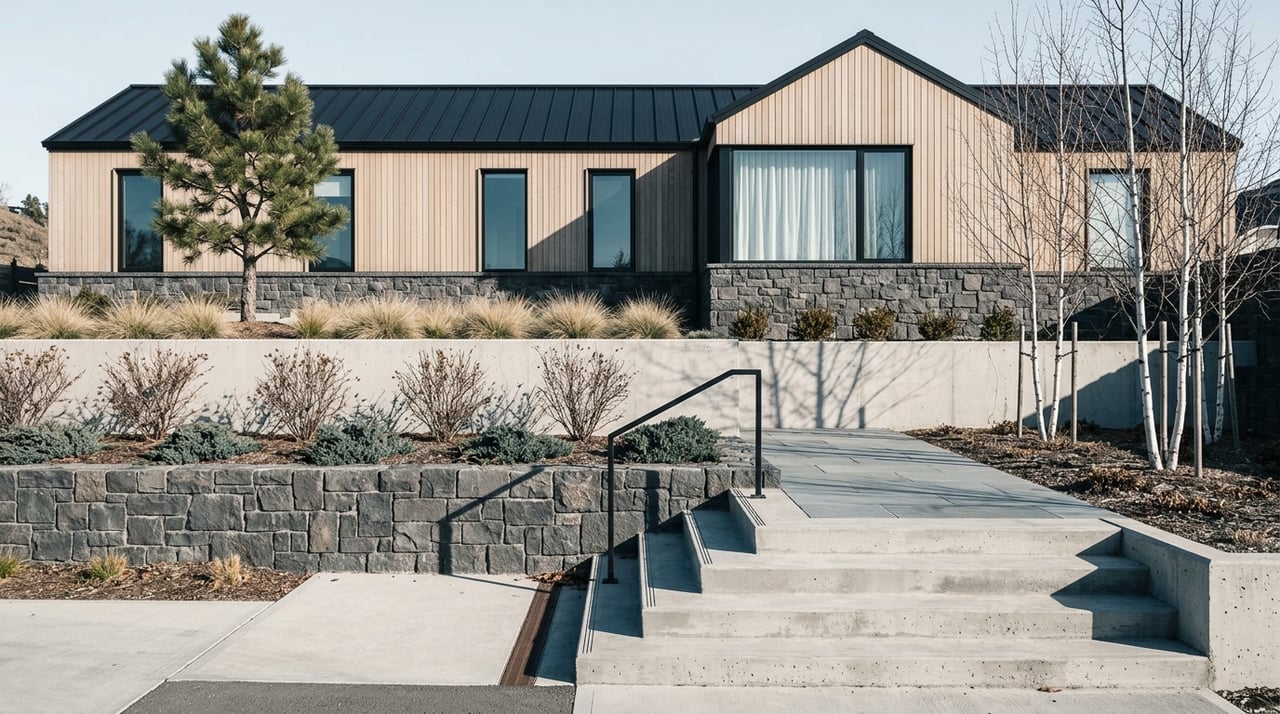
East Bench is the easternmost community in Salt Lake City, set along the bench at the base of the Wasatch foothills. According to Salt Lake City’s East Bench overview, the area is primarily residential, with older distinctive homes in western sections and newer contemporary homes on eastern slopes.
The neighborhood also sits near several major institutions and destinations. Those include the University of Utah, Research Park, the Veterans Administration Hospital, Hogle Zoo, This Is the Place Heritage Park, the Natural History Museum of Utah, and Red Butte Garden, all noted in the city’s neighborhood materials.
That mix gives East Bench a very specific identity. You get a foothill setting, strong visual appeal, and access to major destinations that shape day-to-day convenience for many buyers.
Views And Outdoor Access
For many people, the biggest draw of East Bench is simple: the setting. District 6 materials describe mountainside communities in this part of Salt Lake City as offering unparalleled views, and that description lines up with how many people experience the area from the street level and trails.
Donner Trail Park is one standout example. The city describes Donner Trail Park as a 14.27-acre park long enjoyed for views of the city and nearby mountains, which helps explain why this area feels so tied to landscape.
Trail Access Near Home
East Bench also benefits from direct access to foothill recreation. The East Bench/H-Rock Preserve includes 42 acres of open space and a half-mile segment of the Bonneville Shoreline Trail, which the city describes as the only natural-surface residential BST segment in Salt Lake City.
The city’s urban trails page notes that the Bonneville Shoreline Trail runs through the Wasatch foothills above the city and includes 17 miles of dirt mountain-bike trail within the city section. That same page also points to a Red Butte Creek shared-use pathway connection between Sunnyside Avenue, Research Park, and the BST.
If you like having options close by, East Bench checks that box well. District 6 specifically highlights the BST, the East Bench Preserve, and the Living Room Trail as local favorites, and notes that the Living Room Trail offers a great view of the entire city.
Parks And Walkability
Outdoor access is not limited to major trailheads. Salt Lake City’s East Bench walkability report says 100% of housing units are within walking distance to a park and 99.8% are within walking distance to a trail.
That is a notable stat because it helps describe how daily life can feel here. Even if you are not planning a long hike every weekend, the neighborhood’s proximity to parks, pathways, and foothill spaces can still shape your routine in a meaningful way.
Daily Life And Location Benefits
East Bench offers more than scenery. It also has a strong location advantage for people who want easier access to the University of Utah and the medical, research, and cultural destinations clustered nearby.
The University of Utah says its campus has been on the east bench of the Salt Lake Valley since 1894 and sits at about 4,700 feet, with views over the valley and access to foothill hiking and biking trails east of campus. If your work, study, or routine connects to the university area, that proximity can be a major factor.
At the same time, East Bench does not function exactly like some of Salt Lake City’s more transit-connected neighborhoods. The city’s walkability report describes East Bench as the least served by public transportation in the city, with TRAX service limited to stations on the university campus and Route 21 identified as the neighborhood’s lone bus line.
What That Means For You
In practical terms, East Bench often feels more car-oriented than other east-side areas. That does not make it less appealing, but it does matter if your home search depends heavily on public transit.
If you are comparing neighborhoods, this is one of those details worth weighing early. You may love the views and trail access, but you should also think about how you want to move through the city on a normal weekday.
East Bench Homes And Architecture
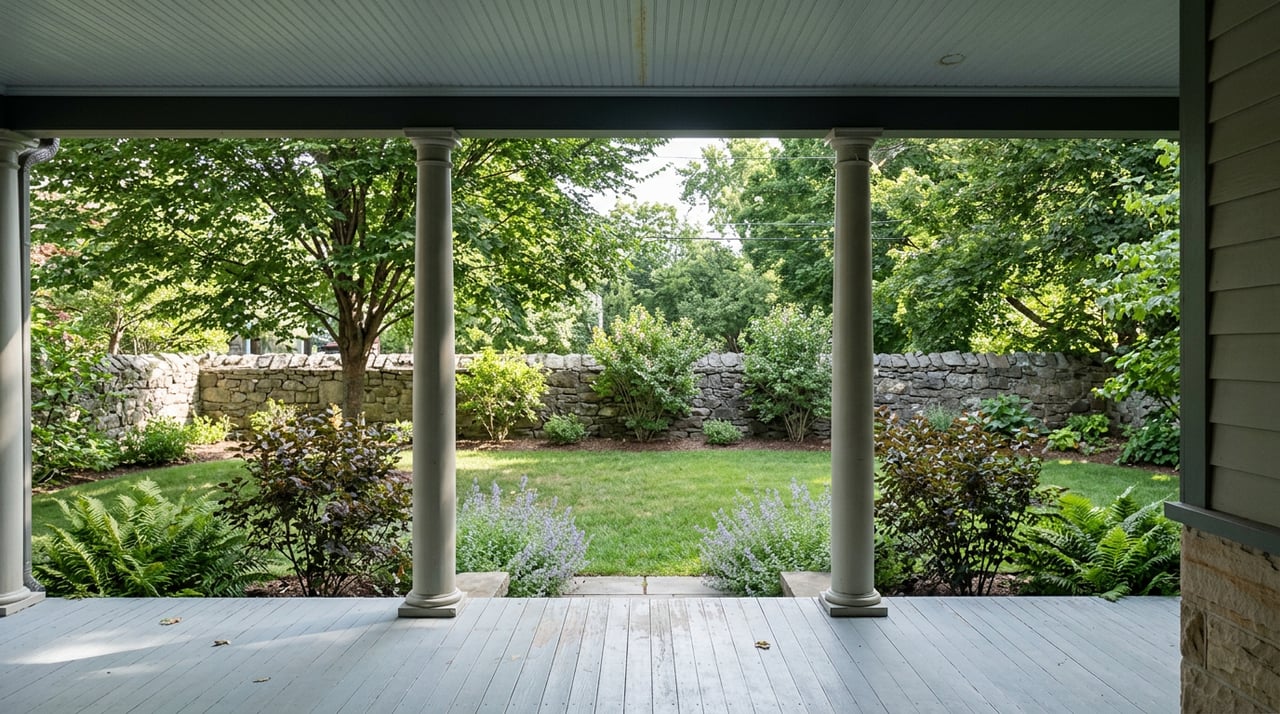
Housing in East Bench is largely single-family residential. The walkability report says the area is zoned mostly for single-family residential use, and city materials consistently point to a mix of older homes and newer construction.
That range is part of the neighborhood’s appeal. Rather than feeling architecturally uniform, East Bench tends to blend historic east-side character with more modern foothill homes.
Older Character And Newer Design
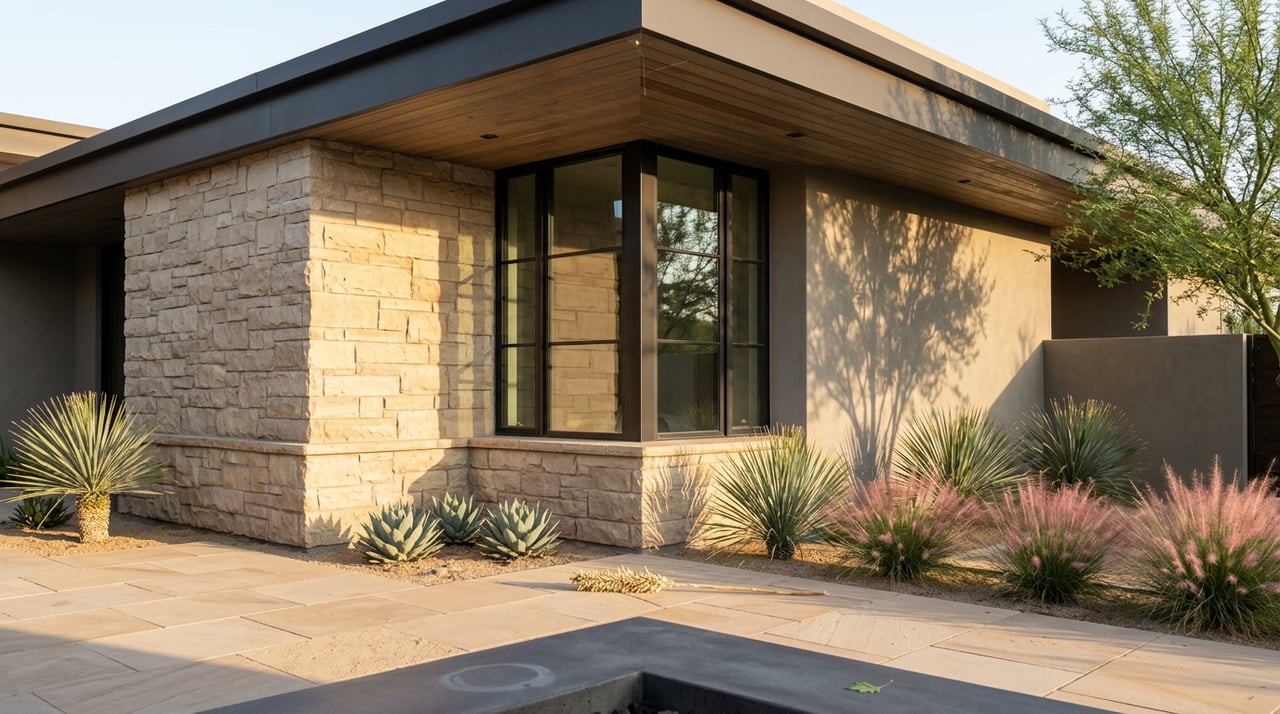
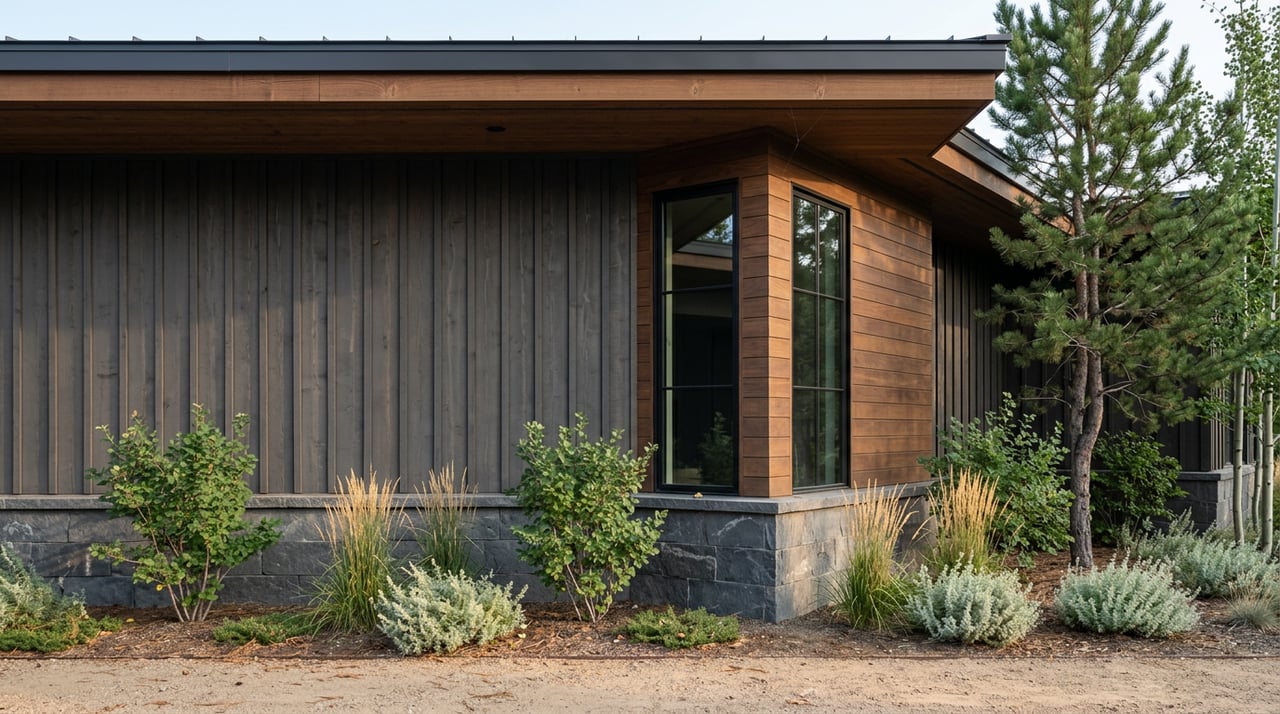
Salt Lake City’s East Bench page describes older, distinctive homes in the west and newer contemporary homes on the eastern slopes. That is a helpful way to understand the broad pattern without assuming every block looks the same.
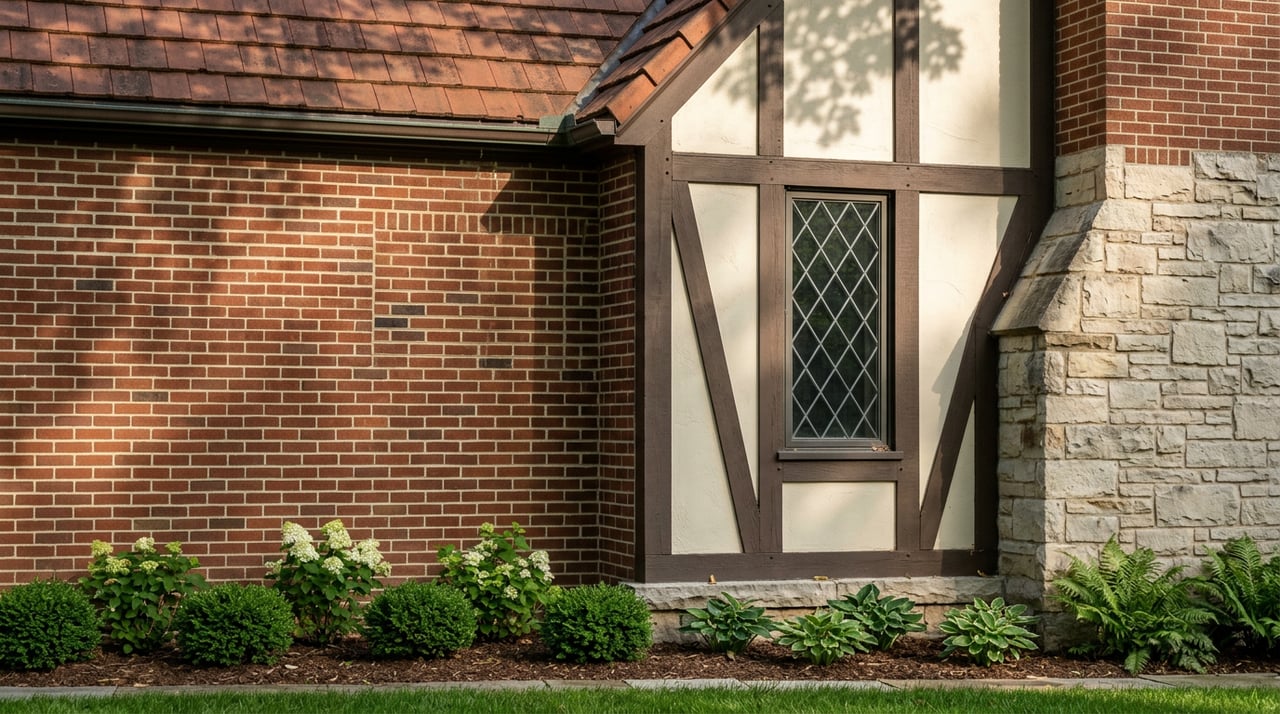
Nearby areas also help illustrate the architectural variety connected to the broader east-side setting. In Yalecrest, city materials highlight period-revival cottages, English Tudor and English Cottage styles, bungalows, and mature tree-lined streets.
In Wasatch Hollow, the city points to architecture dating from the 1920s to the 1950s, plus a strong tree canopy and the Emigration Creek corridor. Together, these nearby examples help frame East Bench as an area where you may see everything from mid-century-era homes to more contemporary hillside properties.
East Bench Market Trends
East Bench clearly trades at a premium compared with Salt Lake City overall. Recent data points to a submarket where pricing is significantly higher than the citywide norm, which is important if you are trying to decide whether the area fits your budget.
Zillow reports an East Bench home value of $1,126,015, up 5.7% year over year as of February 28, 2026. The research report also notes Realtor.com neighborhood data showing a $1,099,500 median home price in December 2025, up 22.51% year over year, with 91 median days on market and a 94% sale-to-list ratio, while also labeling East Bench a buyer’s market.
For citywide context, Realtor.com’s Salt Lake City overview shows a $550,000 median listing price and 45 median days on market in March 2026. Zillow places Salt Lake City’s typical home value at $565,484, up 1.7% year over year, which underscores how differently East Bench is positioned.
What The Numbers Suggest
Taken together, those figures suggest East Bench sits at roughly double the citywide median price point. For buyers, that means this is generally not an entry-level east-side option.
For sellers, the premium positioning can be important in how your property is presented and priced. In a market where buyers are paying close attention to value, condition, location, and setting, strategy matters just as much as exposure.
Is East Bench A Good Fit?
East Bench may be a strong fit if you want a residential foothill setting, close access to trails and parks, and proximity to the University of Utah area. It can also appeal to buyers who value architectural variety and are open to paying a premium for views, location, and outdoor access.
It may be less ideal if your search is highly budget-sensitive or if frequent public transit access is a top priority. Like many desirable submarkets, East Bench asks you to balance lifestyle benefits against cost and daily logistics.
If you are exploring whether East Bench matches your goals, it helps to compare it not just by price, but by how you actually want to live. If you want help weighing East Bench against other Salt Lake neighborhoods, James Roth can help you narrow the options, understand the market, and move forward with a plan that fits your goals.
FAQs
What is East Bench in Salt Lake City known for?
- East Bench is known for its foothill setting, city and mountain views, residential feel, trail access, and proximity to destinations like the University of Utah, Research Park, Red Butte Garden, and the Natural History Museum of Utah.
How expensive is East Bench compared with Salt Lake City overall?
- Recent data in the research report shows East Bench home values and median prices at roughly double Salt Lake City’s overall median price point, making it a premium submarket.
What trails are near East Bench homes?
- East Bench has access to the Bonneville Shoreline Trail, the East Bench/H-Rock Preserve, the Red Butte Creek shared-use pathway connection, and the Living Room Trail.
Is East Bench walkable for parks and trails?
- Salt Lake City’s East Bench walkability report says 100% of housing units are within walking distance to a park and 99.8% are within walking distance to a trail.
Is East Bench convenient for the University of Utah?
- Yes. East Bench is especially convenient for people who want quick access to the University of Utah campus and nearby medical and research destinations.
Is public transit strong in East Bench Salt Lake City?
- The city’s walkability report describes East Bench as the least served by public transportation in Salt Lake City, with TRAX access on the university campus and Route 21 as the cited bus line for the neighborhood.