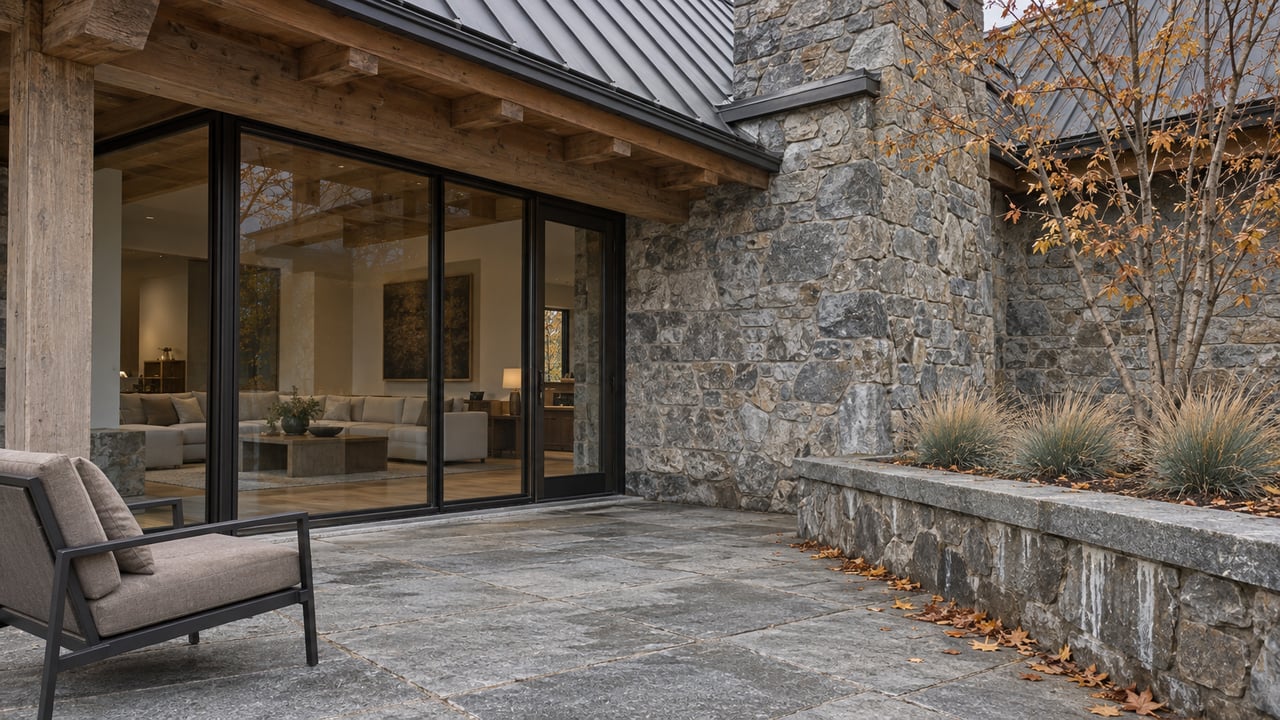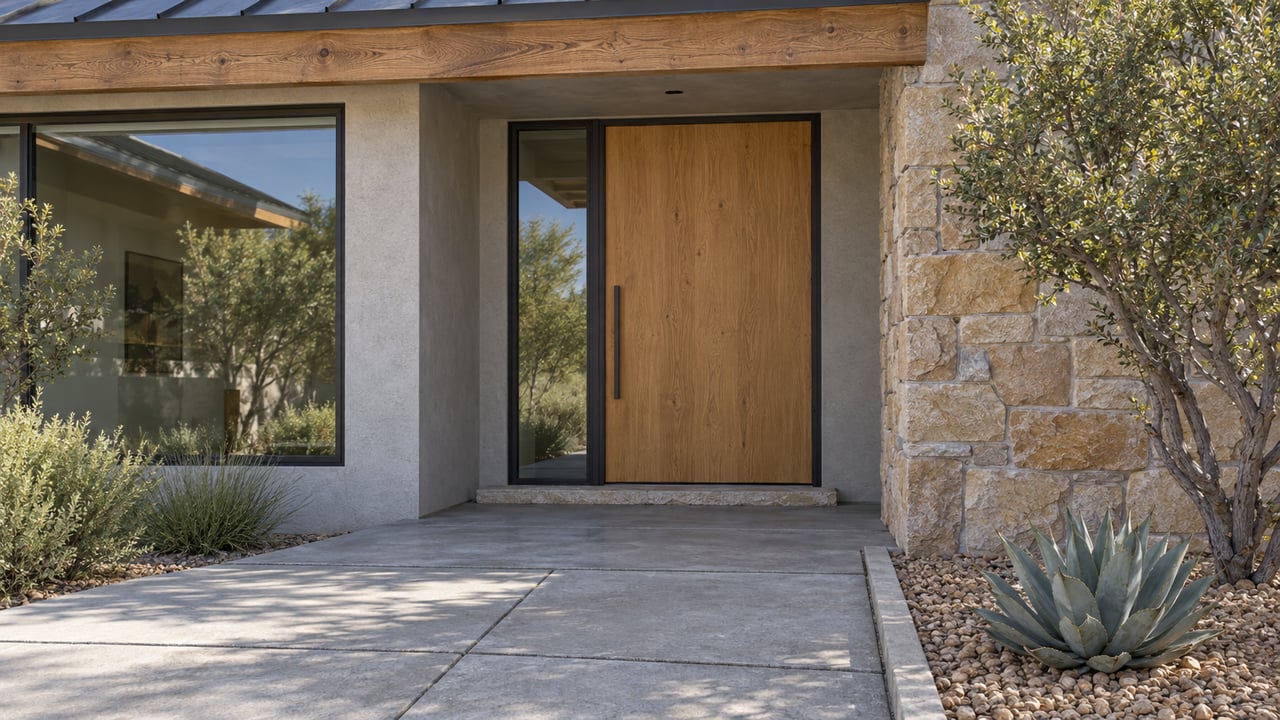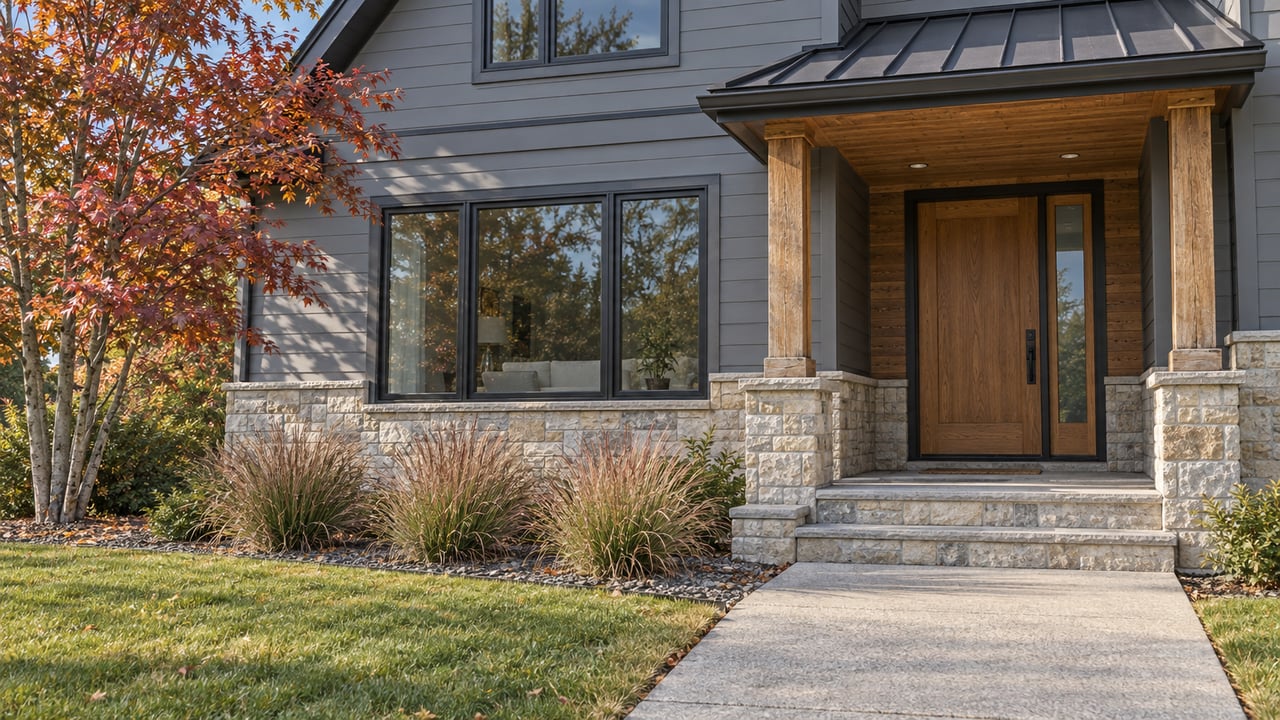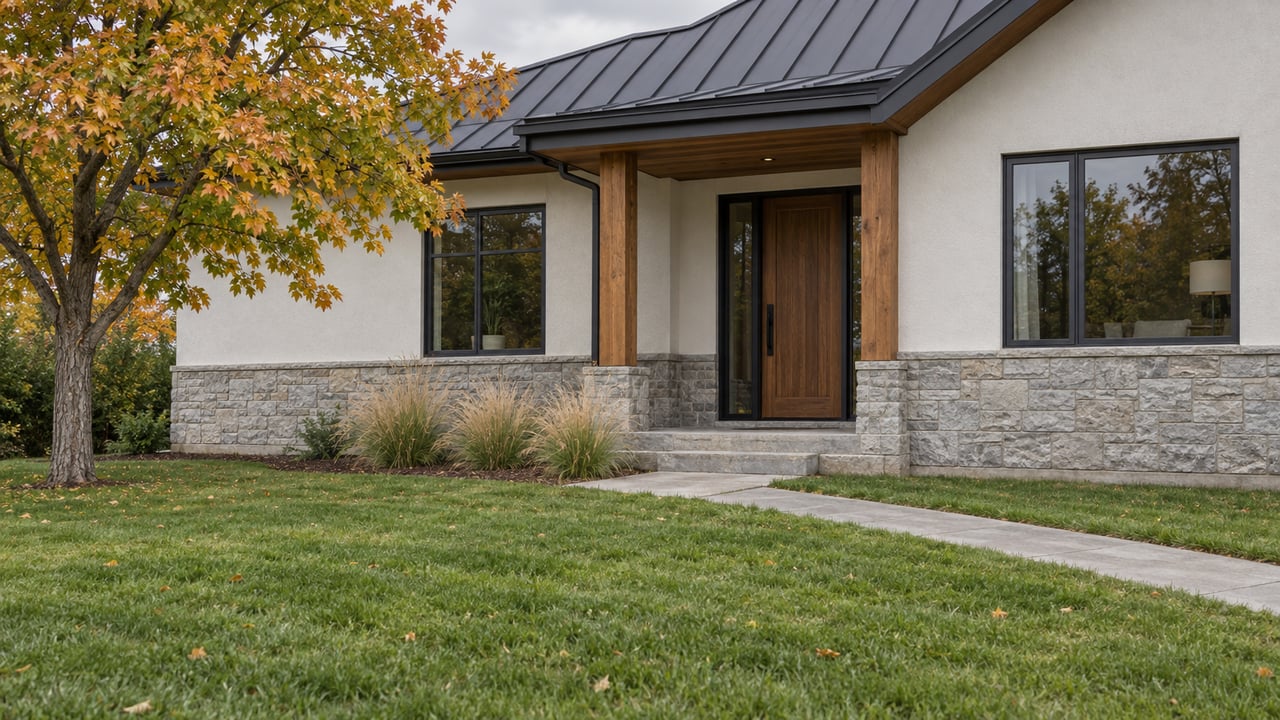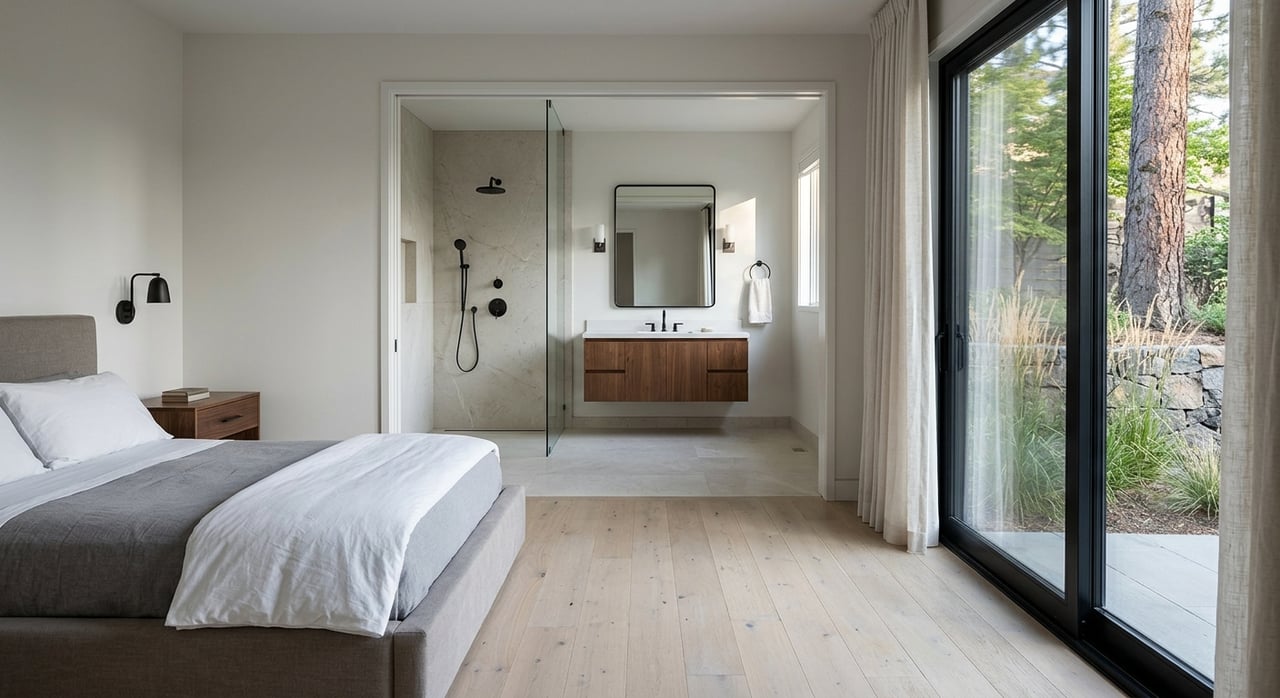
If you are looking for a home that makes daily life easier, main-level living in Cottonwood Heights can be a smart place to focus. You may want fewer stairs, a more practical layout, or a home that can work well for years to come. The good news is that Cottonwood Heights has housing options that can fit those goals, but the right fit often comes down to knowing where to look and what layouts make the most sense. Let’s dive in.
Why main-level living stands out here
Cottonwood Heights is a city where detached homes still shape much of the housing landscape. According to the city’s 2025 housing report, 72.2% of occupied housing units are single-family detached, and nearly 80% of homes have three or more bedrooms. That larger-home pattern can create opportunities for buyers who want more space on the main floor.
At the same time, much of the housing stock was built between 1960 and 1999. Many of these homes were designed for older suburban living patterns, not today’s demand for one-level convenience. In practice, that means your search is often less about finding brand-new one-story inventory and more about finding an existing home with the right layout.
What main-level living means
In Cottonwood Heights, main-level living is often best understood as daily-life convenience. It does not always mean a perfectly flat, single-story home. Instead, it usually means having the spaces you use most often on the main floor.
For many buyers, that includes:
- A main-floor primary bedroom
- A full bathroom on the main level
- Main-floor laundry
- Easy kitchen, living, and dining access
- Fewer stairs for everyday routines
That broader definition can open up more options. A home does not have to be a classic ranch to support easier living.
Home styles you are likely to see
Cottonwood Heights grew through suburban development over several decades, with the first subdivisions dating to the mid-1950s. Because of that history, buyers often encounter a mix of ramblers, split-levels, two-story homes, and multi-level homes. Some are a natural fit for main-level living, while others may need updates.
Ramblers and ranch-style homes
These are often the most straightforward match for buyers who want main-level living. Older ramblers can offer simple floor plans, wider main-floor footprints, and easier day-to-day movement. In many cases, they provide the clearest path to living comfortably with minimal stair use.
Some of these homes may still need updates, especially if you want modern accessibility features. Even so, the basic layout is often the biggest advantage.
Updated older homes
Another strong option is an older home that has been remodeled with a main-floor primary suite or improved bathroom access. Since much of the city’s inventory predates current lifestyle preferences, renovated homes can offer a useful mix of established neighborhood setting and better function.
When you tour homes, pay close attention to whether the updates improve everyday use or simply refresh the look. A beautiful remodel is not always the same as a practical one.
Split-level and multi-level homes
These homes can still work, but they usually require a more careful evaluation. In many cases, the entry, kitchen, or sleeping areas may still involve stair use. That does not rule them out, but it does mean you will want to think through your routine in detail.
For some buyers, a split-level home can make sense if the main floor already includes a bedroom and full bath. For others, the layout may create more limitations than benefits.
Where to focus your search
Because Cottonwood Heights is substantially built out, where you search matters. The city’s planning materials note that future housing will need to rely on compact development, infill, and available space within larger existing lots. That creates a helpful distinction between older single-family areas and corridor-based redevelopment areas.
Older neighborhoods and classic layouts
If you want the best chance of finding a traditional rambler or ranch-style home, older single-family neighborhoods are often the place to start. These areas are more likely to have the larger-lot, mid-century to late-20th-century homes that can support main-level living.
This does not mean every home will be turnkey for your needs. It does mean the underlying floor plan may be more promising.
Fort Union corridor areas
The city is creating a form-based code for parts of the Fort Union Boulevard corridor, including Union Park, Highland Drive, and 2300 East. The city also notes that this effort is focused on those corridor areas and does not regulate single-family residential neighborhoods citywide.
For buyers, that suggests newer attached homes or redevelopment-oriented options are more likely to appear in these corridor locations. If you are open to a more compact property or a newer style of home, these areas may be worth watching.
Main-level living for multigenerational needs
If your goals include room for extended family, guests, or flexible long-term living, Cottonwood Heights offers another angle worth considering. The city allows accessory dwelling units, or ADUs, on qualifying lots in certain zones, including internal ADUs within the existing footprint of a home, such as a basement apartment. Detached ADUs may also be allowed as conditional uses in those same zones.
That can make a property more flexible for multigenerational households. You may find a home where the main level works well for one household member while another part of the property supports a separate living area.
As always, zoning and property-specific rules matter. It is important to confirm whether a home and lot qualify before you make plans around ADU potential.
Features that make a home work better
When you are evaluating older homes, small details can make a big difference. A home that is not perfect today may still be a strong long-term fit if the layout supports sensible improvements.
Helpful features and upgrades can include:
- At least one zero-step entry
- A side, back, or garage entry that avoids stairs
- Wider doorways
- A bedroom and full bathroom on the main floor
- A no-threshold shower with a seat
- Lever-style door handles
- Grab bars in bathrooms
- Non-slip flooring
- Bright lighting
- Sturdy handrails on both sides of stairs
Some changes are simple and relatively affordable. Others may involve more substantial remodeling, so it helps to look at the home with both your current needs and future needs in mind.
How to judge a home during a tour
When you walk through a property, try to picture a normal weekday rather than just the finishes. Think about how you would enter the home, carry groceries inside, use the bathroom, do laundry, and move between your most-used spaces.
A few practical questions can help:
- Can you live primarily on the main floor?
- Is there a full bathroom on that level?
- Is the entry manageable without major changes?
- Would a remodel improve function without overcomplicating the home?
- Does the lot or layout create future flexibility?
These questions can quickly separate a home that simply looks promising from one that truly fits your lifestyle.
What to know before remodeling
If you find an older Cottonwood Heights home with good bones, remodeling may help it become a better long-term match. Before starting any structural work, it is important to understand the city’s permit process.
According to the city’s building permits page, a building permit is required for all construction except certain limited items such as floor coverings, interior wall coverings, and private fencing. For accessibility-related changes that affect structure, layout, setbacks, or zoning, you will want to check permit requirements before work begins.
That step can save time and reduce surprises. It also helps you plan your budget and timeline more accurately.
Why strategy matters in Cottonwood Heights
The biggest challenge in finding main-level living here is not a lack of quality homes. It is that the best options may not always be labeled in a way that reflects how you actually want to live.
A home described as older may have the exact rambler layout you need. A remodeled home may offer a main-floor suite that changes the whole equation. A compact corridor property may bring newer design and easier maintenance. The key is knowing how to evaluate each option through the lens of daily convenience.
That is where local insight matters. When you understand the city’s housing mix, development pattern, and remodeling realities, you can search more efficiently and make decisions with more confidence.
If you are searching for main-level living in Cottonwood Heights, the right home is often the one that balances layout, location, and long-term practicality. Whether that means a classic rambler, an updated older home, or a property with multigenerational flexibility, a focused plan can help you spot the best opportunities faster. When you are ready for a local, practical approach to your move, connect with James Roth.
FAQs
What does main-level living mean in Cottonwood Heights?
- In Cottonwood Heights, main-level living usually means having the spaces you use every day, like a bedroom, full bathroom, kitchen, and living area, on the main floor.
What home styles in Cottonwood Heights are best for main-level living?
- Ramblers and ranch-style homes are often the strongest fit, while updated older homes with main-floor suites can also work well.
Where should you look for main-level living in Cottonwood Heights?
- Older single-family areas may offer more classic rambler layouts, while parts of the Fort Union corridor may be more likely to have newer or compact redevelopment-oriented options.
Can split-level homes in Cottonwood Heights work for main-level living?
- Yes, but they usually need closer review because everyday living areas may still require stairs unless the home already has a bedroom and full bathroom on the main level.
Are ADUs allowed in Cottonwood Heights for multigenerational living?
- Cottonwood Heights allows ADUs on qualifying lots in certain zones, including some internal ADUs within the existing home footprint and detached ADUs as conditional uses.
Do accessibility remodels in Cottonwood Heights require permits?
- In many cases, yes. The city says building permits are required for construction except for a few limited items, so structural or layout-related accessibility work should be reviewed before the project begins.