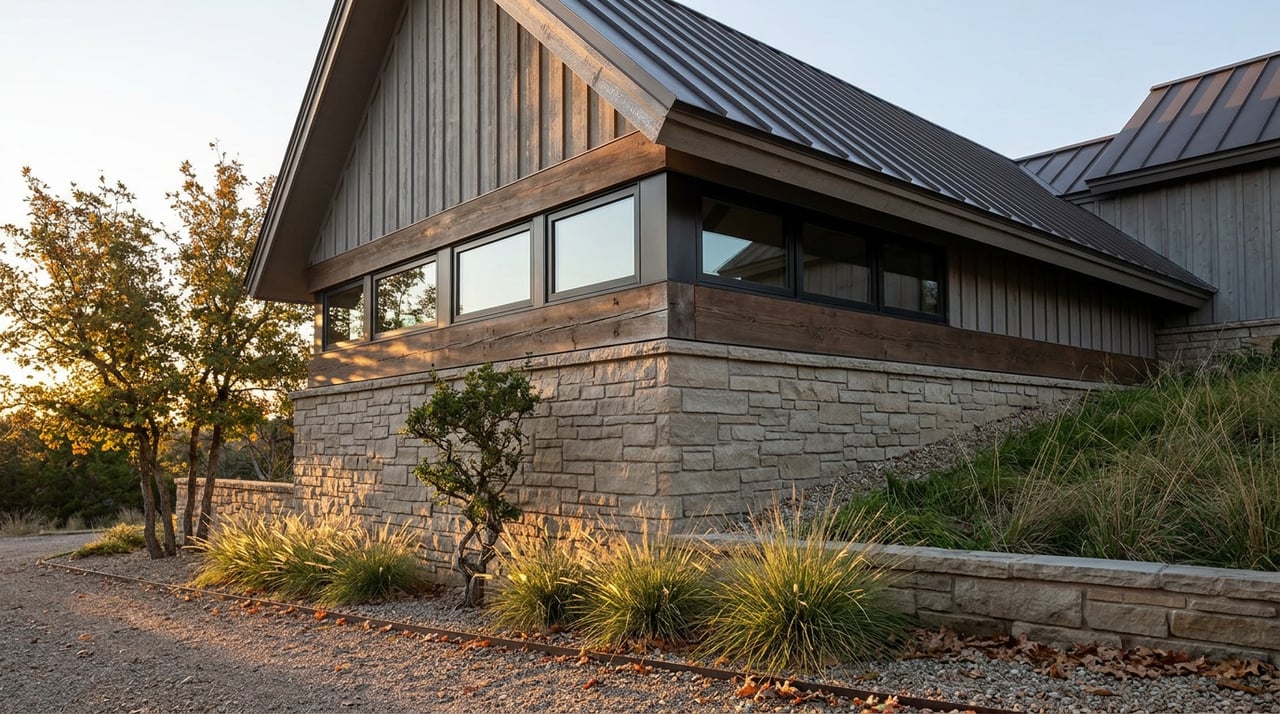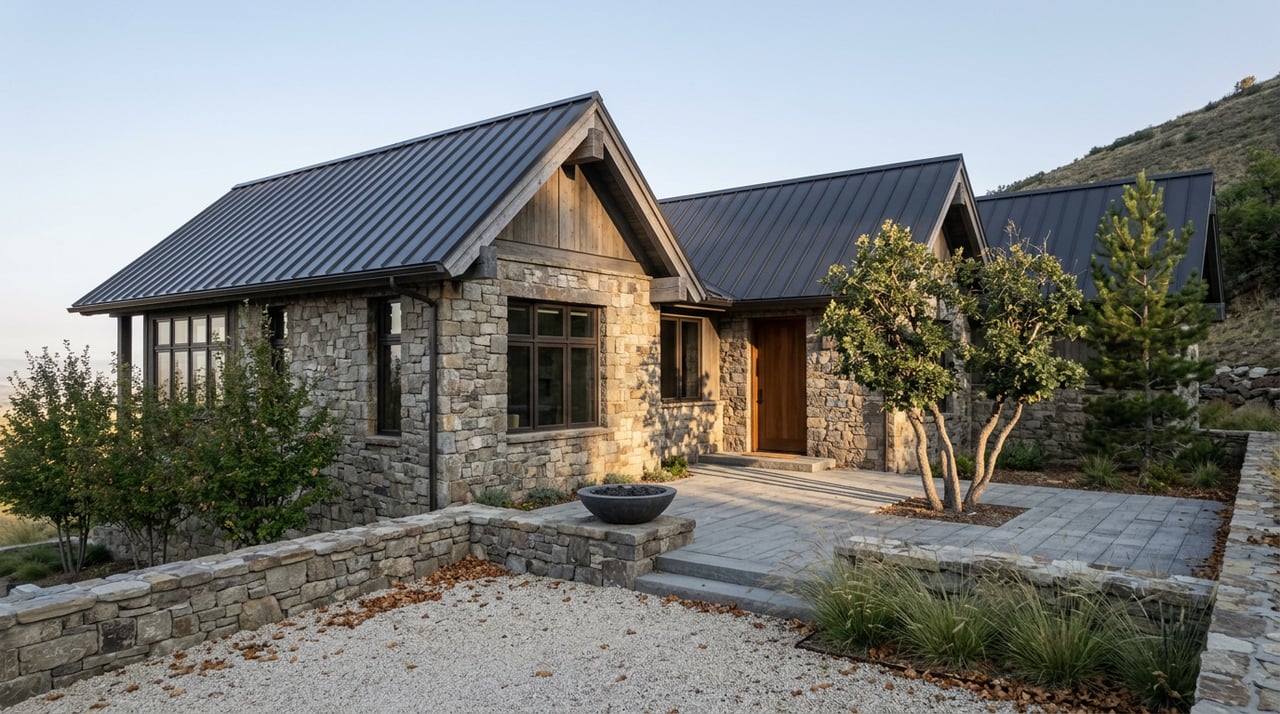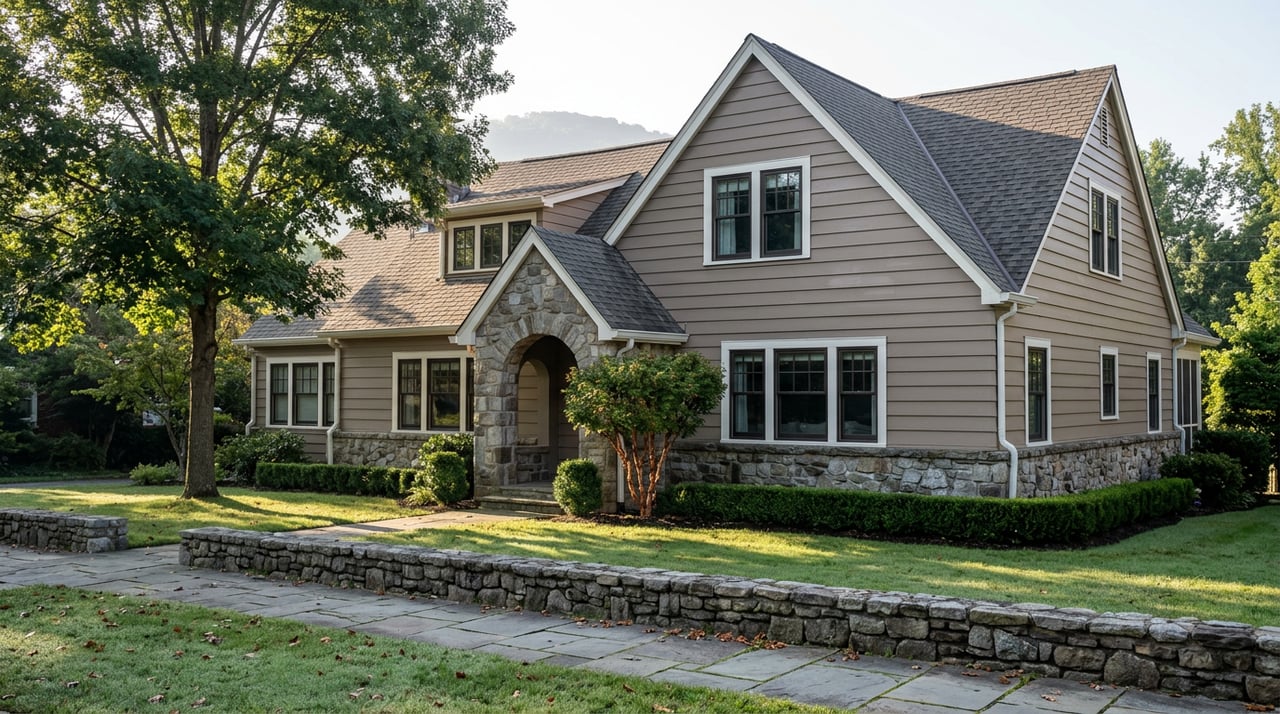
Two bungalows sit across the street from each other on Yale Avenue. Same era, same style, same block. The owner on the north side can swap out the windows, add a rear addition, and repaint the trim without asking anyone's permission. The owner on the south side needs a Certificate of Appropriateness from the Salt Lake City Historic Landmark Commission before touching the exterior, and if she demolishes the house without one, the lot carries a 25-year restriction against rebuilding on it.
Same neighborhood. Same "historic" label on the listing. Completely different rules.
That gap is the thing most buyers miss when they fall for a Yalecrest address, and it is worth understanding before you write an offer, not after.
Three Layers, One Street
Ask most people what "Yalecrest is historic" means and they will describe something uniform. It isn't. There are three separate layers of protection sitting on top of each other in this neighborhood, and only one of them actually restricts what you can do to your house.
The National Register of Historic Places listing. Yalecrest was added to the National Register in November 2007. It is a real designation, and it comes with genuine tax incentives for owners who rehabilitate their homes to federal standards. But it does not stop anyone from demolishing a house or building something out of scale next door. Salt Lake City's own historic preservation staff and the neighborhood group K.E.E.P. Yalecrest both make this point plainly: the National Register recognizes a place, it does not police it.
The Yalecrest Compatible Infill (YCI) Overlay District. Adopted by the City Council in 2005 after a wave of what neighbors started calling "monster houses," this overlay covers a defined boundary, roughly 1300 East, 800 South, Sunnyside Avenue, 1900 East, and 1300 South, and applies citywide standards to new construction, additions, and alterations. It regulates things like height, front-yard setbacks, and garage massing. It is a real check on new-build scale, but it does not require a Certificate of Appropriateness for routine exterior work and does not carry a demolition review process.
Local Historic District (LHD) designation. This is the layer that actually changes what you can do with a specific house. Unlike the National Register or the YCI overlay, an LHD requires city approval, in the form of a Certificate of Appropriateness, for essentially all exterior work beyond paint color and minor maintenance. It also puts demolition of a contributing structure through a formal review process in front of the Historic Landmark Commission.
Here is the part that catches buyers off guard: Yalecrest is not one Local Historic District. It is a patchwork of small, separately designated ones, adopted piece by piece over more than a decade, and plenty of Yalecrest addresses are not in any of them.
The Patchwork, Named Street by Street
The city's own Local Historic Districts list for Yalecrest includes distinct, individually adopted areas: Harvard Heights, Harvard Park, Upper Harvard Yale Park, Normandie Circle, Princeton Park, Princeton Heights, Upper Yale, and Upper Yale 2nd Addition, among others. Each one was approved on its own timeline, sometimes years apart, and each covers a specific and fairly small set of addresses.
A few examples make the scale concrete. Normandie Circle's district covers about 10 properties clustered around 1335 East and 1155 South. Upper Yale covers 28 properties between 1700 and 1800 East on Yale Avenue. Upper Yale 2nd Addition covers 30 properties on Herbert Avenue in the same East-side blocks. Princeton Heights, adopted by City Council ordinance in March 2024, covers 43 homes running from roughly 1323 Princeton Avenue to 1500 East.
This is a moving map, not a finished one. K.E.E.P. Yalecrest, the neighborhood's preservation organization, listed Upper Yale Heights as its newest Local Historic District heading into a fall 2025 walking tour, and the group continues to organize block by block toward additional designations. Meanwhile, not every push succeeds. In September 2023, Salt Lake City's Planning Commission voted 5-4 to recommend against creating a new Local Historic District near Laird Avenue and 1300 East, with commissioners weighing preservation against concerns about housing flexibility in the area. The recommendation went to City Council, but the vote itself shows this isn't settled law across the neighborhood. It's an ongoing, contested process, decided address by address.
If you're evaluating a specific house, the practical question isn't "is Yalecrest historic." It's "is this address inside one of these named districts, or just under the YCI overlay, or under neither." Those three answers produce three very different renovation timelines.
What a Certificate of Appropriateness Actually Costs You
If your target house sits inside a Local Historic District, plan for the Certificate of Appropriateness process to shape your renovation schedule, not just your design.
Minor items, like re-roofing, get handled at the planning counter on a walk-in basis. Slightly larger items, window replacement, garage construction, additions under 50 percent of the existing footprint, go through administrative staff review. Anything bigger, a substantial addition, new construction, a demolition, goes to the Historic Landmark Commission itself, which means a public hearing.
A real case from Harvard Heights shows what that looks like in practice. In 2023, a property owner at 1454 East Harvard Avenue applied for a Certificate of Appropriateness to build a rear addition and detached garage, including a request to exceed the standard height limit on the garage. That kind of application goes through commission review, not a same-day counter approval, and the case sat on a public hearing agenda with its own case number before a decision came down.
There's also a clock built into the approval itself. Once granted, a Certificate of Appropriateness is only valid for one year unless a building permit has been issued or an extension is requested at least 30 days before expiration. And if a contributing structure comes down without going through the process at all, the city issues a certificate of noncompliance and records a 25-year restriction against redevelopment on that lot. That is not a fine. That is a quarter century.
The Fight Behind the Rulebook
None of this exists because everyone in Yalecrest agrees on it. When the city considered designating more of the neighborhood in 2010, the process turned genuinely contentious. Deseret News covered neighbors squaring off over whether new restrictions on additions would push growing families out of smaller bungalows, with longtime resident Pete Williams telling the paper, "The neighbors are hot, hot, hot about it." That tension between preserving streetscapes and preserving flexibility for the people who actually live in the houses hasn't disappeared. It's the same tension that shaped the 2023 Planning Commission vote near Laird Avenue.
For a buyer, the takeaway isn't which side is right. It's that the boundary lines are still being drawn in real time, sometimes block by block, and the designation status of a house you're considering today could look different in three years.
How to Check Before You Write the Offer
Before you fall for a Yalecrest listing, find out which of the three layers actually applies to that address. The Salt Lake City Planning Division maintains historic district maps and can confirm designation status for a specific parcel, and this is worth confirming directly rather than assuming from the listing description or the neighborhood's general reputation. If the house sits inside a Local Historic District, ask your agent or a preservation-experienced architect what kind of exterior changes you're actually planning, and whether those fall under counter-level review, staff review, or a full Historic Landmark Commission hearing. That answer changes your renovation budget and your timeline before you ever close.
A Few Quick Answers
Does the National Register listing protect a house from being torn down next door? No. The National Register recognizes historic significance and unlocks certain tax incentives, but it imposes no restriction on demolition or alteration. Only a Local Historic District designation does that.
If my house is only under the YCI overlay, can I still renovate freely? The YCI overlay regulates new construction and additions for height, setback, and scale, but it does not require a Certificate of Appropriateness for exterior changes to an existing structure the way a Local Historic District does. Confirm with Salt Lake City Planning which standards actually apply to your specific project.
Can new areas of Yalecrest still become Local Historic Districts? Yes. Designation is an ongoing, address-by-address process led by resident organizing and City Council approval, and it has continued adding new districts in recent years while also facing pushback in others.
Yalecrest rewards buyers who do their homework on the house, not just the neighborhood name. If you're weighing a specific address here and want to know exactly what layer of rules applies to it before you write an offer, James Roth can help you check the designation, walk the renovation math, and figure out what the house is really worth to you once you know what you can and can't change. Work With James.