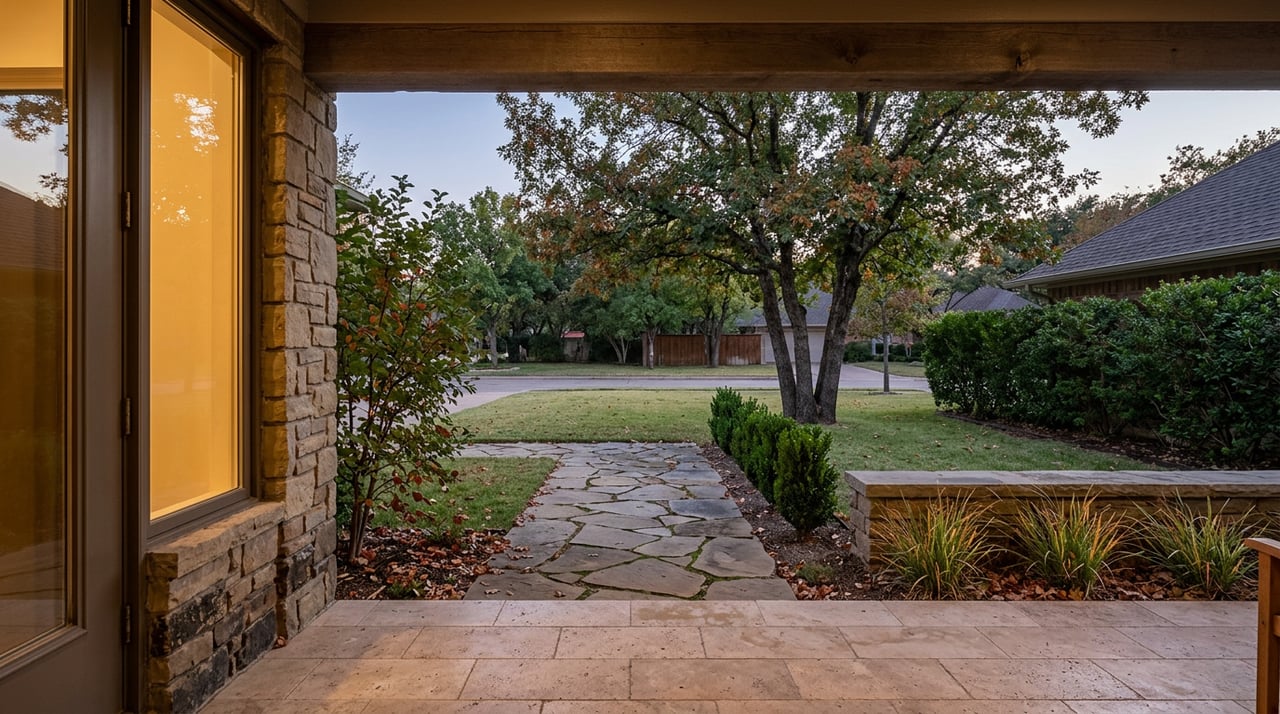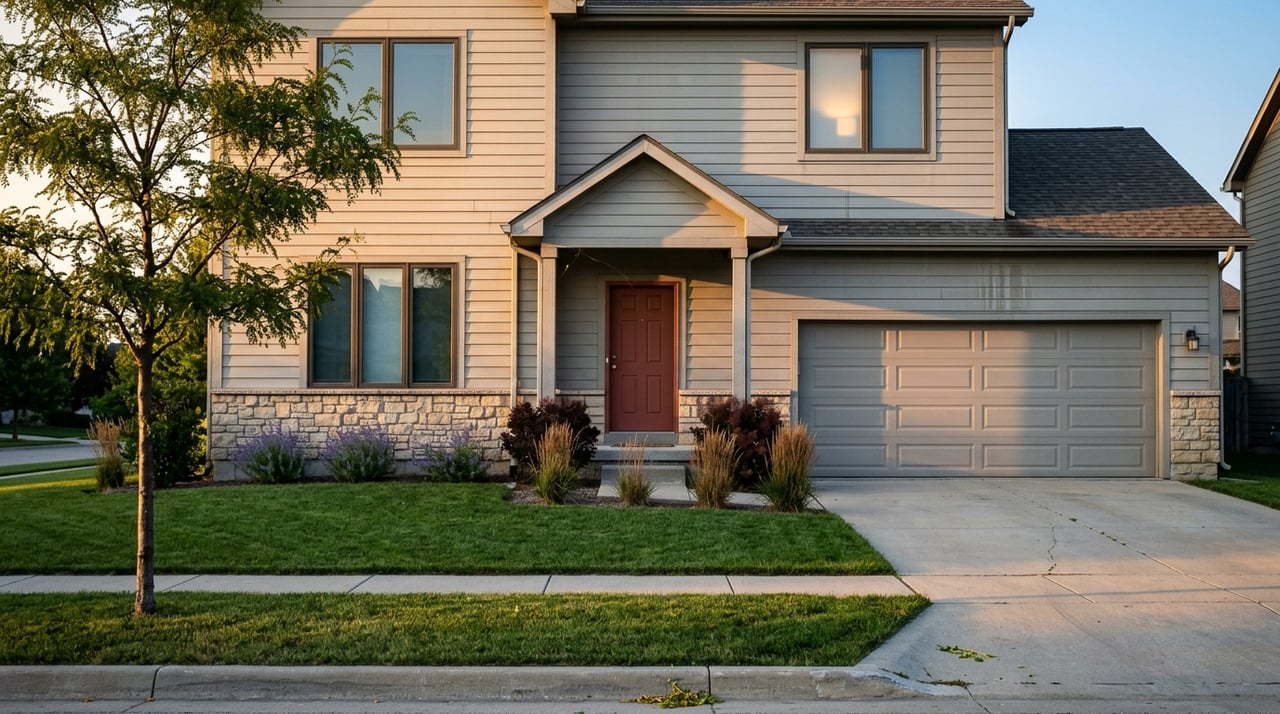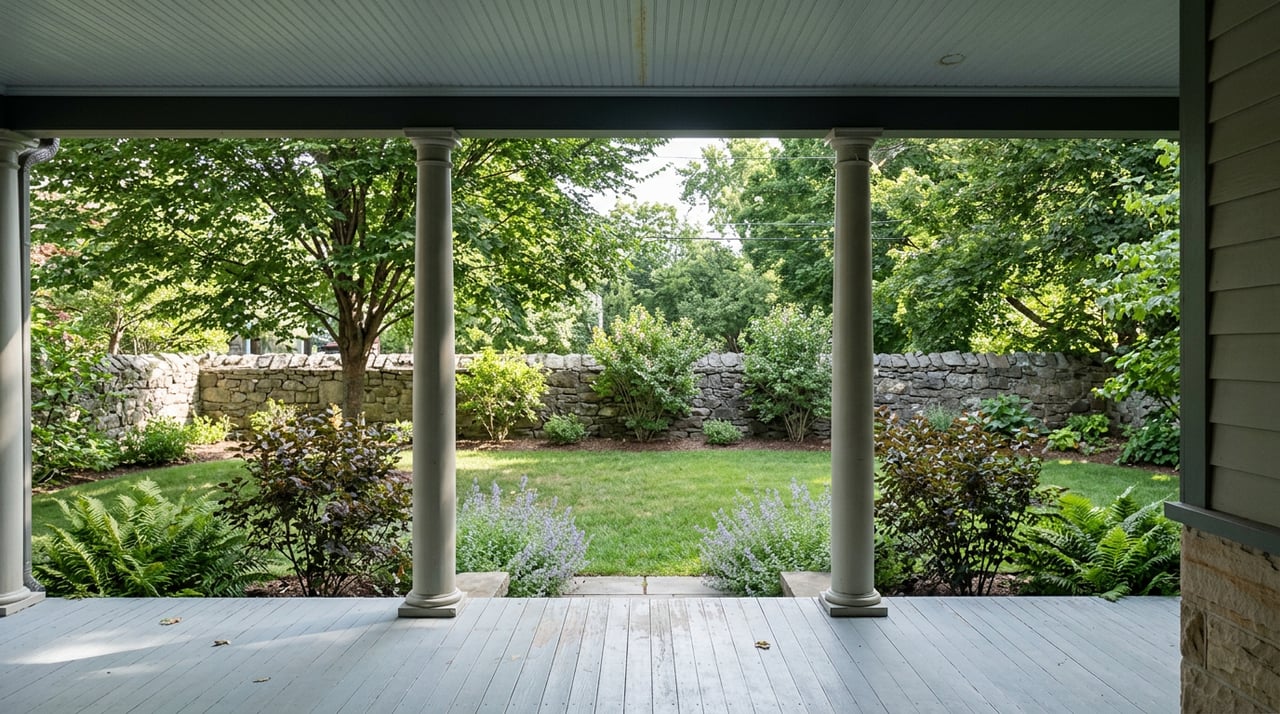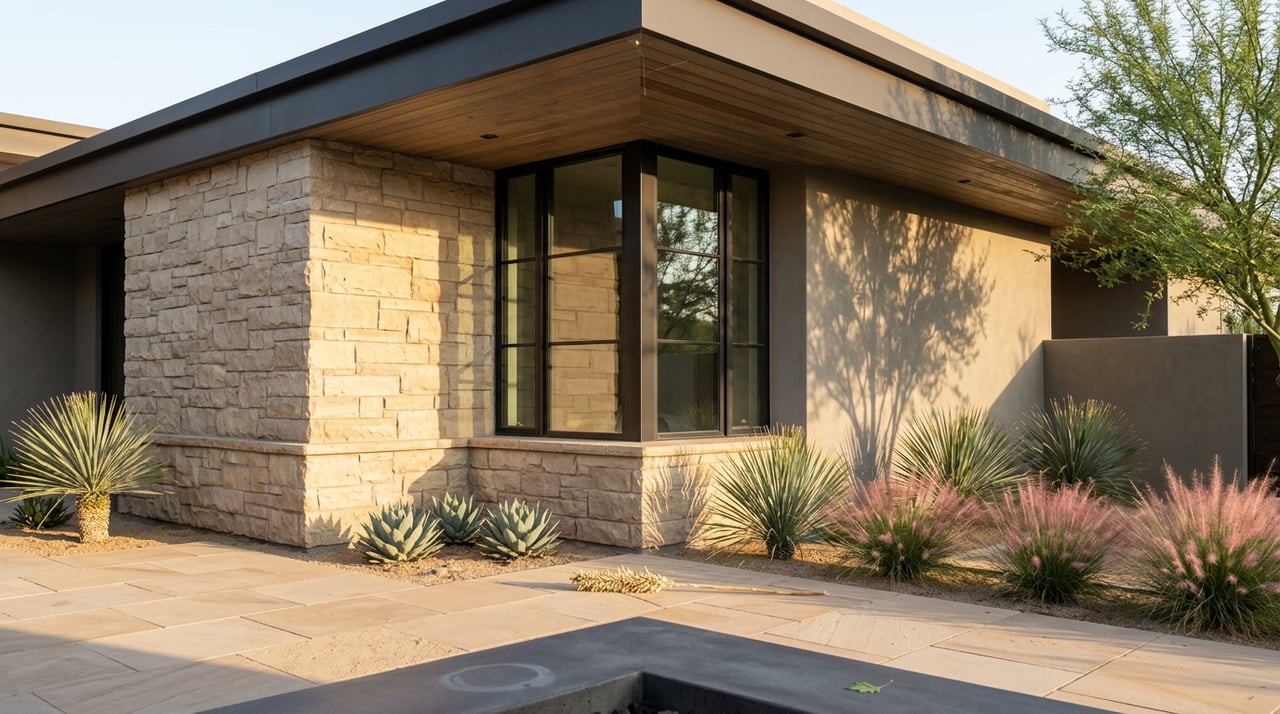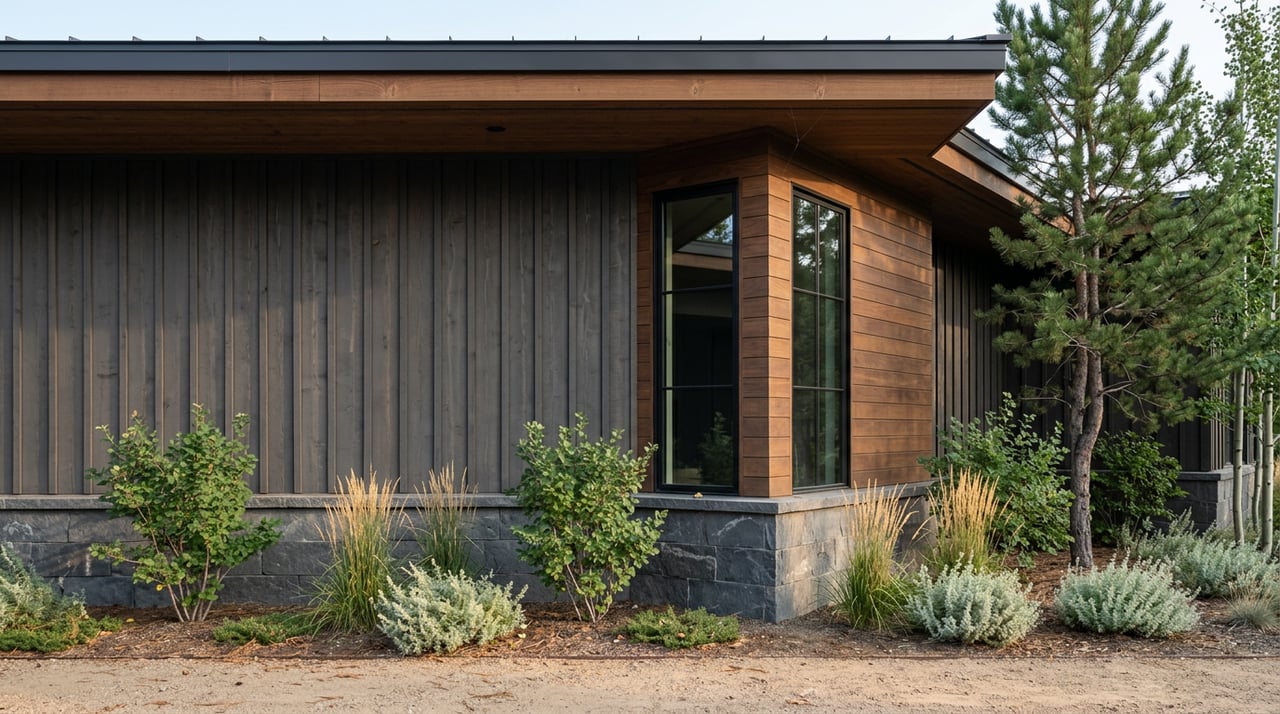
Two homes sit four blocks apart in Park City. Same builder era, same finish grade, same three-car garage, same ridgeline view. One trades at $3.9M and pencils out as a lifestyle investment with covered carrying costs. The other trades at $2.6M and pencils out only if the owner writes the mortgage check every month from another income source. The square footage is identical. The lot is a rounding error. What separates them is a line on the Park City Nightly Rental Map, and whether the parcel sits inside a zone where the city will issue a nightly rental license.
That line is the mechanism most out-of-state buyers miss. It is also the reason the headline median for Park City is close to useless for underwriting.
The friction that shows up after you write the offer
Buyers who assume "Park City" means "short-term rentals allowed" tend to learn otherwise in the middle of a transaction. The city ties nightly rental permission to zoning and a business license issued through the Park City Finance Department, and eligibility can vary parcel by parcel inside a single development. It is possible for one home in a subdivision to hold a valid nightly rental license while the neighbor two doors down sits in a zone or overlay that will not issue one.
Two operational thresholds tend to catch second-home buyers off guard once they read the ordinance:
- The city requires a designated local contact who can respond onsite within 60 minutes. That is a management contract, not a favor from a neighbor.
- Utah exempts stays of 30 consecutive days or more from sales tax and transient room tax, while stays under 30 days are subject to state sales tax of 4.85% plus a Park City transient room tax that the current rate table lists at 5.07%. The 30-day cliff changes the underwriting model on the same property.
A license also does not travel automatically. If a seller has been operating legally under a prior approval or grandfathered status, a new owner may need to apply fresh, and some historic or capped zones will not re-issue at all. That is a due diligence question, not an assumption.
Three jurisdictions, one address search
The word "Park City" on a listing does not tell you which government controls the rental rules. Three separate jurisdictions overlap the market:
- Park City limits. Municipal ordinances, city zoning map, city nightly rental license, city inspection.
- Unincorporated Summit County. Much of the Snyderville Basin, including areas around Jeremy Ranch, Glenwild, and Silver Creek east of I-80, falls here. Summit County runs its own STR program with its own permit and enforcement path.
- Wasatch County. The Jordanelle and Deer Valley East Village side of the reservoir generally falls under Wasatch County, not Park City, even though the mailing address and lifestyle read as Park City.
A buyer who assumes a Jordanelle condo answers to Park City's Finance Department is starting due diligence in the wrong building. The Park City interactive Nightly Rental Zoning map is the first stop for anything inside city limits; for anything outside, the answer is at the county planning office.
What the H1 2026 numbers actually show
The mid-year 2026 data compiled by the Park City Board of Realtors through Domus Analytics reports 410 closed residential transactions inside Park City limits and the Snyderville Basin from January 1 through June 30, totaling roughly $1.33 billion in volume. The first-half sale-to-list ratio came in at 97.4% for single-family and 96.8% for condos and townhomes. Those are the numbers a national portal will show you. They are also the numbers that hide the story.
The story is submarket dispersion, and the STR line runs through it.
| Submarket (H1 2026) | Closings | Median sale price | Notable |
|---|---|---|---|
| Promontory | 40 | $5.65M | 23 closings above $5M, high sale $25M |
| Deer Valley (all sub-areas) | 46 | $5.275M | Six closings above $10M |
| Snyderville Basin (Q1 SF) | 78 | Mixed | Volume +25% YoY, inventory -12% YoY |
| Jordanelle (Q1 SF) | 30 | Rising | Sales more than doubled YoY, +90% volume |
Promontory and much of Deer Valley trade at premiums because the parcels are eligible for nightly rental use inside resort-oriented zones or condominium structures that were designed for it. The Jordanelle surge is not random either. It is Wasatch County resort zoning meeting new construction supply built specifically for nightly rental. In Q1 2026, Mayflower-Jordanelle single-family closings alone jumped from 2 to 11 year over year, according to the Park City Board of Realtors quarterly summary.
Compare that to the condo picture inside Park City limits. Condo transactions were roughly cut in half in Q1 2026 versus Q1 2025, with volume down about 54%. Some of that is a supply story tied to Deer Crest deliveries. Some of it is buyers pausing on units where the rental math no longer works at current rates and current HOA dues. The 97% average sale-to-list holds up. The 50% drop in condo transaction count is the number that actually informs a pricing conversation.
Zillow's typical-value estimate for Park City sits near $1.52M as of mid-2026, and Redfin's three-month median trailing May 2026 sits near $2.6M with average sale nearer $2.8M. The gap between those figures and the Board of Realtors submarket medians of $5M-plus is the gap between "homes in the zip code" and "homes people actually want in the zones that produce income." The nightly rental line explains most of it.
The overlay problem inside a single subdivision
The trickiest situation is not "STR zone vs residential zone." It is two parcels inside the same neighborhood where one qualifies and the other does not. Overlay districts, historic Old Town designations, and conditional use stipulations can restrict, cap, or outright block nightly rental at the parcel level even when the base zoning appears permissive.
HOA rules add a second, private layer. Courts routinely enforce valid CC&Rs, and Park City condominium associations in particular often set minimum stay lengths, require owner registration, or cap the number of units in a building that can operate as nightly rentals at any one time. A home can pass the city test and fail the HOA test. The reverse also happens: an HOA that permits rentals cannot override a city zone that does not.
For a buyer, that means the diligence question is never "is Park City STR-friendly." It is "is this parcel, in this HOA, at this address, in this current calendar year, eligible for the license I need."
Due diligence before you write the offer
If nightly rental income is part of the underwriting for a Park City purchase, the offer should not go out until the following is in hand:
- Parcel-level zoning confirmation from the Park City Planning Department, Summit County Planning and Community Development, or Wasatch County, whichever holds jurisdiction. Written confirmation is worth asking for.
- A check of the city or county STR license database for any active license at the address, and any past enforcement or complaint history.
- Current CC&Rs and 12–24 months of HOA board minutes, read specifically for rental caps, minimum stays, and any pending amendments.
- Seller documentation of prior license history, transient room tax remittance, and occupancy records if the property has been operating.
- A written management quote covering the 60-minute local contact requirement, snow removal, trash, and off-season upkeep, so the operating expense line is real rather than aspirational.
- A financing and tax model at both scenarios, one assuming nightly rental eligibility and one assuming a 30-plus-day seasonal model exempt from transient room tax, so the offer price still works if the license path narrows.
Contingencies tied to zoning confirmation and HOA approval belong in the contract, not in a follow-up email.
Short answers to the questions that come up most
Can I convert a non-STR home into an STR home over time? Generally no. Zoning changes and overlay amendments are city-driven and rare. Buying with the intent to rezone is speculation, not a plan.
Does an active Airbnb listing prove a property is compliant? No. A listing is not proof of anything. Verify a current municipal or county license and confirm HOA permission in writing.
Is the 5.07% transient room tax the only lodging tax? No. Utah state sales tax at 4.85% also applies to stays under 30 days, and Summit County adds its own transient room tax on top for county jurisdictions. Booking platforms sometimes collect and remit, but the owner remains legally responsible.
Are Jordanelle rentals regulated by Park City? No. Most Jordanelle properties fall under Wasatch County, which runs a separate STR permit system with its own rules.
Work with an advisor who reads the zoning map first
The median price for Park City is a headline. The nightly rental zoning line is the mechanism. If you are underwriting a second home or an investment on the assumption that rental income covers the carry, the address needs to clear three tests before the finish package matters: jurisdiction, zone, and HOA. Getting those right at the offer stage is cheaper than getting them wrong at close.
Work with James Roth to review a specific parcel against its zoning, its HOA, and the current H1 2026 submarket data before you write the offer.